
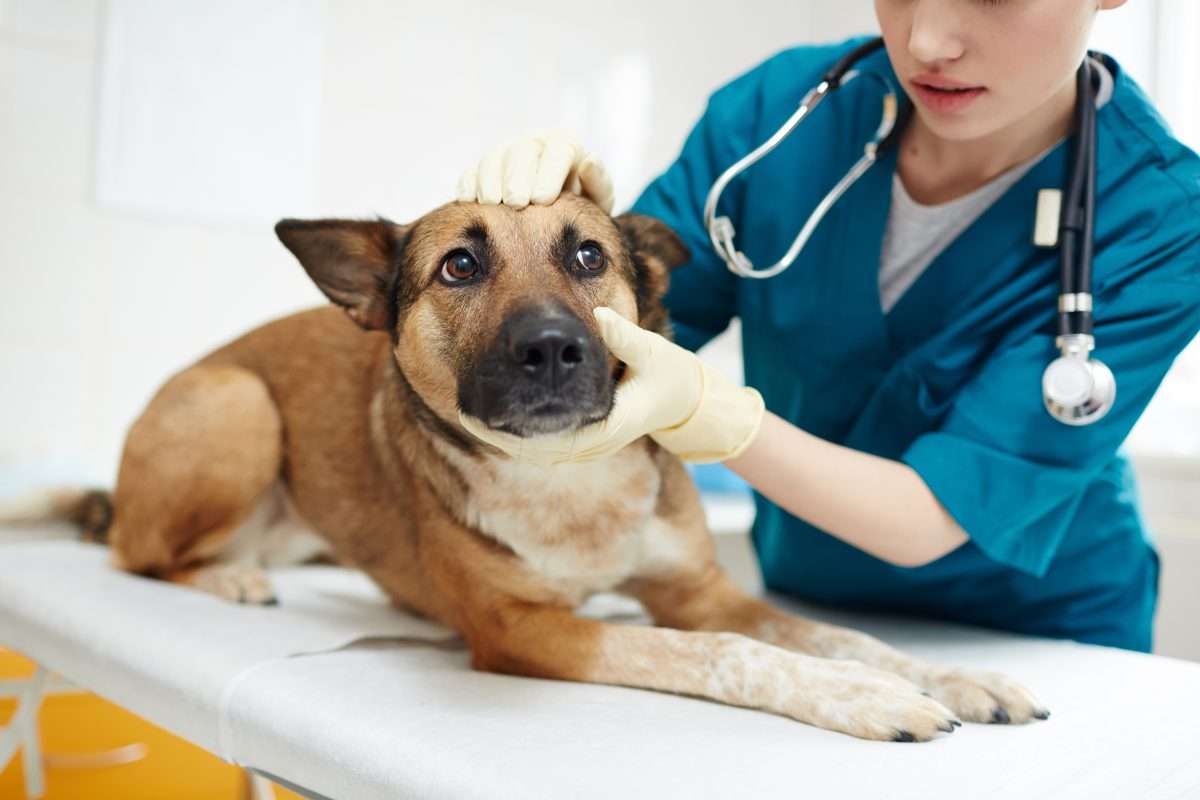
Silent struggles: Why is the veterinarian suicide rate high?
And why is there a lack of research on the topic?
Veterinarians save lives every day, but we must focus on saving their lives, too. The high veterinarian suicide rate cannot be silently ignored—and could potentially be linked to deeper problems in the profession.
The emotional toll of euthanasia, financial strain, and long hours that lead to burnout are some of the biggest stresses that vets face. It is essential to pay attention to the mental health of those who have pursued a career in treating animals and find ways to support them.

According to a 2019 study by the CDC, the veterinarian suicide rate is notably higher than the general population. Female veterinarians are 2.3 times more likely to commit suicide while male veterinarians are 1.6 times more likely. The most common cause of death was poisoning by pentobarbital, a euthanasia drug.
The most unsettling finding from this study is that when these deaths by poisoning are taken out of the equation, the veterinarian suicide rate sits equivalent to that of the general population.
This information leads one down a dark path where it does not seem abnormal to wonder how accessibility to these drugs and the ongoing need for animal euthanasia may severely impact a veterinarian’s mental health.
The love of animals is a large part of the reason many veterinarians decide to pursue this career. With this in mind, it seems like the overcrowding of shelters and high intake numbers of strays could potentially take a toll on the veterinarians who work there, particularly in kill shelters, when less than 1% of shelter animals are irremediably suffering.
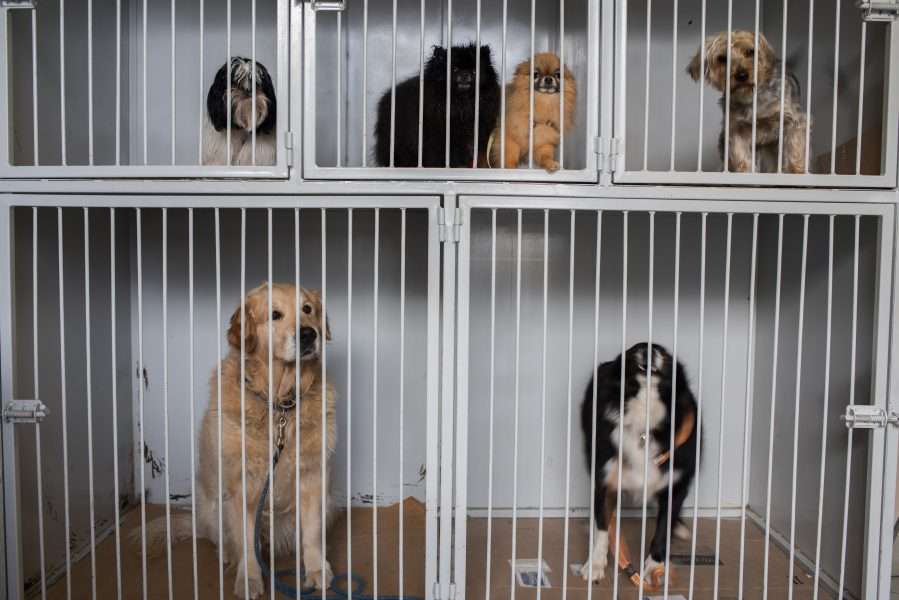
Texas, California, North Carolina, Florida, and Georgia are the five states with the highest number of animal euthanizations. These five states also make up more than half of all America’s animal euthanizations.
Certainly, size and population play a part, but it is hard to imagine that their high numbers of animal euthanizations are also evenly distributed among all veterinarians in those states.
With that being said, pinpointing metropolitan areas with veterinarians who are more tasked with performing euthanizations could be of use.
Having more specific information on what causes the veterinarian suicide rate to be so high could assist in bringing those numbers down, too. It is safe to assume that more exposure to a difficult part of the job might lead to stronger feelings of depression as a result.
Currently, there is not a study that delves further into how often veterinarians are asked to euthanize or what state or city they reside in to confirm this potential correlation, however, it appears necessary to grasp the bigger picture.

In what ways does euthanasia of healthy animals not adopted soon enough from a shelter play a part in the overall well-being of those charged with caring for and, ultimately, putting down those animals?
Do veterinarians who work at kill shelters face a significantly higher risk of suicide versus those who work at veterinary clinics that focus on treating people’s pets? These are unanswered questions at the moment.
The access veterinarians have to these drugs and their knowledge of how to use them is also a major concern when looking at suicide rates. There is currently no system in place that could prevent any misuse of euthanasia drugs.
While it would not be beneficial to inhibit veterinarians from providing care, it has been proposed that increasing administrative control of these substances could assist in preventing pentobarbital from leaving the property. As most of these suicides took place at home, it could have a big impact.
Beyond the concern of veterinarian suicide rates theoretically being tied to animal euthanizations, we also know from veterinarians’ feedback that burnout and financial stress greatly impact their mental health.
The emotional responsibility of taking care of an animal and their owner, paying off student loans for vet school, and the long hours of hard work all weigh on veterinarians.
While there is a focus being placed on ensuring a veterinarian's mental health is a priority, it is important to remember the part we play as pet parents in our vet’s life. Lead with kindness, just as veterinarians do when treating our beloved animal companions.

If you or someone you know is struggling with suicidal thoughts, help is available.
For immediate assistance, contact the National Suicide Prevention Lifeline at 1-800-273-TALK (8255) or text HOME to 741741 for the Crisis Text Line.
For resources tailored to veterinarians, visit Not One More Vet at www.nomv.org.
