

Pet owners are being warned to avoid common poisonous plants their dogs may encounter while out on walkies. Experts from Quotezone are advising people to steer clear of dangerous plants that pose a significant threat to their four-legged friends.
Recent increase in poisonous plant incidents involving dogs
This warning comes after a number of reports of pets feeling ill after ingesting ragwort in a park in Hucknall, Nottinghamshire, UK.
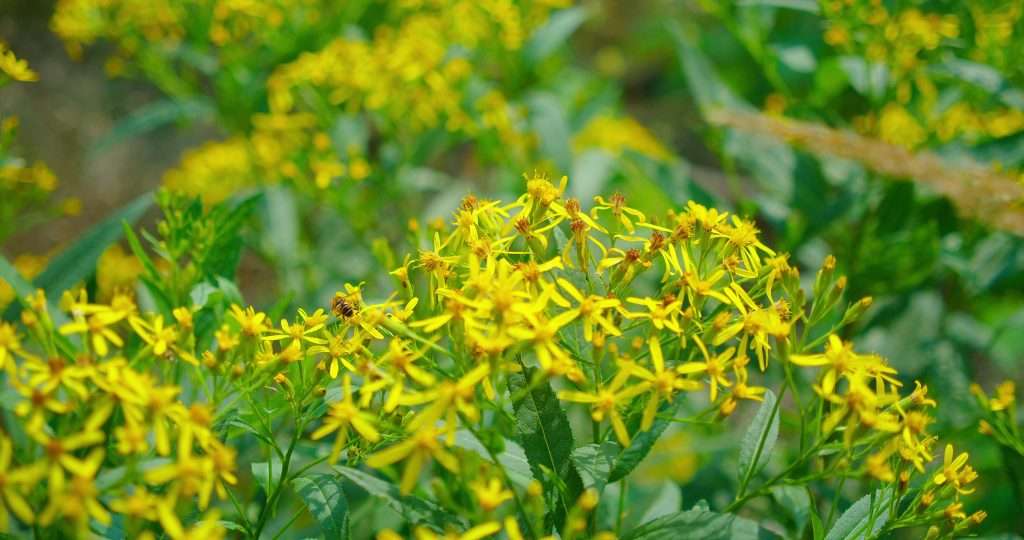
Ragwort is a common daisy-like weed that can cause severe poisoning for dogs and can even be fatal in more extreme cases. Beautiful but deadly, Ragwort can be fatal to dogs if ingested.
Protecting your dog from poisonous plants
To protect dogs during nature walks, it's crucial to be aware of these common plants that can be harmful to our four-legged friends.

Innocent-looking plants, such as bluebells, hogweed, and azaleas can lead to a range of health issues, from gastrointestinal distress to severe heart problems.
Dog owners are being urged to familiarise themselves with poisonous plants, keep their dogs on the lead, and supervise their pets when venturing into nature.
Typical signs of poisoning for dogs include drooling, pale gums, lethargy, vomiting, diarrhea, rash, and seizures.
Small dogs and puppies are at greater risk of getting poisoned because even if they ingest a small amount of a toxic plant, it can lead to significant harm.
If you suspect that your dog has eaten a toxic plant, it is essential to contact a veterinarian or animal poisoning hotline immediately to aid their recovery.
Pet insurance comparison expert at Quotezone.co.uk, Helen Rolph said: “When out on walkies, whether it’s in a park, in the countryside or forest, it’s important to be vigilant and make sure that your dog doesn’t ingest anything toxic.
“Our four-legged friends are naturally curious, so it’s our responsibility to keep them safe from the potential dangers during outdoor adventures.
“Every dog owner should read up on the range of toxic plants for dogs that can be commonly encountered in their area, some are quite surprising.

“Although you may want to let your dog roam free, choose your off-lead spot wisely and if you’re unsure of any surrounding plants, best keep them on the lead.
“If you have any concerns about your furry friend, most pet insurance providers now have a 24/7 vet helpline – it’s worth checking if your insurance has this and storing the number in your phone in case of emergencies.”
Seven common plants that are poisonous to dogs:
Bluebells
Bluebells are considered poisonous to dogs because they contain toxic compounds known as glycosides. These toxins can be found throughout the plant, including the leaves, stems, flowers, and bulbs.
Bluebells have a distinctive appearance, with violet bulbs and a narrow bell shape.
Autumn crocus
Autumn crocuses are highly toxic to dogs due to the presence of colchicine which is extremely potent and can have severe and potentially lethal effects on dogs.
Colchicine poisoning can occur when your dog ingests any part of the autumn crocus plant. Autumn crocuses have large, fragrant bulbs that are usually light pink or purple.
Azalea
Azaleas contain grayanotoxins which can disturb the function of dogs’ nerve and muscle cells. The main symptoms of Azalea poisoning are abnormal heart rhythms, tremors, and low blood pressure. Azalea shrubs have colorful funnel-shaped flowers.
Ivy
Ivy can be poisonous to dogs if ingested and can also cause a rash if it comes in contact with skin. This is because it contains toxic chemicals called saponins as well as polyacetylene compounds.
Although the symptoms are usually not life-threatening they can still cause serious health issues such as an upset stomach and skin and mouth irritation. Ivy has glossy, heart, or arrow-shaped leaves.
Foxglove
Despite its beautiful appearance with colorful trumpet-shape blooms, you should never let your dog go near a foxglove plant. Foxglove is highly toxic to dogs, causing nausea, seizures, and tremors, and can even lead to death.
Fortunately, foxgloves are very tall, growing up to 5 feet, so they’re easy for dog owners to notice.

Cotoneaster
Cotoneaster is a common evergreen shrub with bright red berries. Although cotoneaster is considered to be slightly poisonous to dogs, if they ingest a large quantity of cotoneaster berries or leaves then it can cause gastrointestinal issues such as severe stomach pain and diarrhoea.
Giant Hogweed
The most significant danger from giant hogweed comes from skin contact with the plant's sap and subsequent exposure to sunlight, causing severe burns and blisters.
If the sap gets into your dog’s eyes it can even cause blindness. Giant hogweed has an umbrella-shaped head with white flowers and can grow up to almost 15 feet tall.
For a whole range of pet insurance products such as cat, older dog, and puppy insurance Quotezone can help.
