

Discover practical and effective ways to save money on dog insurance without compromising the well-being of your canine friend.
In this article, we present six concrete strategies that will help you optimize your dog insurance coverage while reducing your financial burden. By implementing these proven techniques, you can ensure the best care for your dog while enjoying substantial savings.
What you will learn: We'll tackle the important topic of saving money on dog insurance with a focus on practicality and real-life examples. We dive straight into the strategies that dog owners can implement to optimize their insurance coverage while minimizing costs.
By adopting these proven methods, you can confidently navigate the world of dog insurance and make informed decisions based on your pet's needs and budgetary constraints.

We'll explore common misconceptions about the cost and value of dog insurance. We provide concrete examples of the potential financial pitfalls that can arise when relying solely on personal savings.
By examining the costs associated with various dog illnesses and injuries, we highlight the necessity of comprehensive pet insurance coverage to protect against unexpected veterinary expenses.
In addition to dispelling myths, we present six actionable strategies that can lead to significant savings on dog insurance premiums. From leveraging policy overlaps to assessing your dog's specific needs, these strategies offer practical solutions for reducing costs while maintaining comprehensive coverage.
By the end of this article, you will be equipped with the knowledge and tools necessary to make informed decisions about your dog's insurance coverage and whether it's a worthwhile investment. So let's cut through the noise and give you actionable, proven methods to save money on dog insurance.
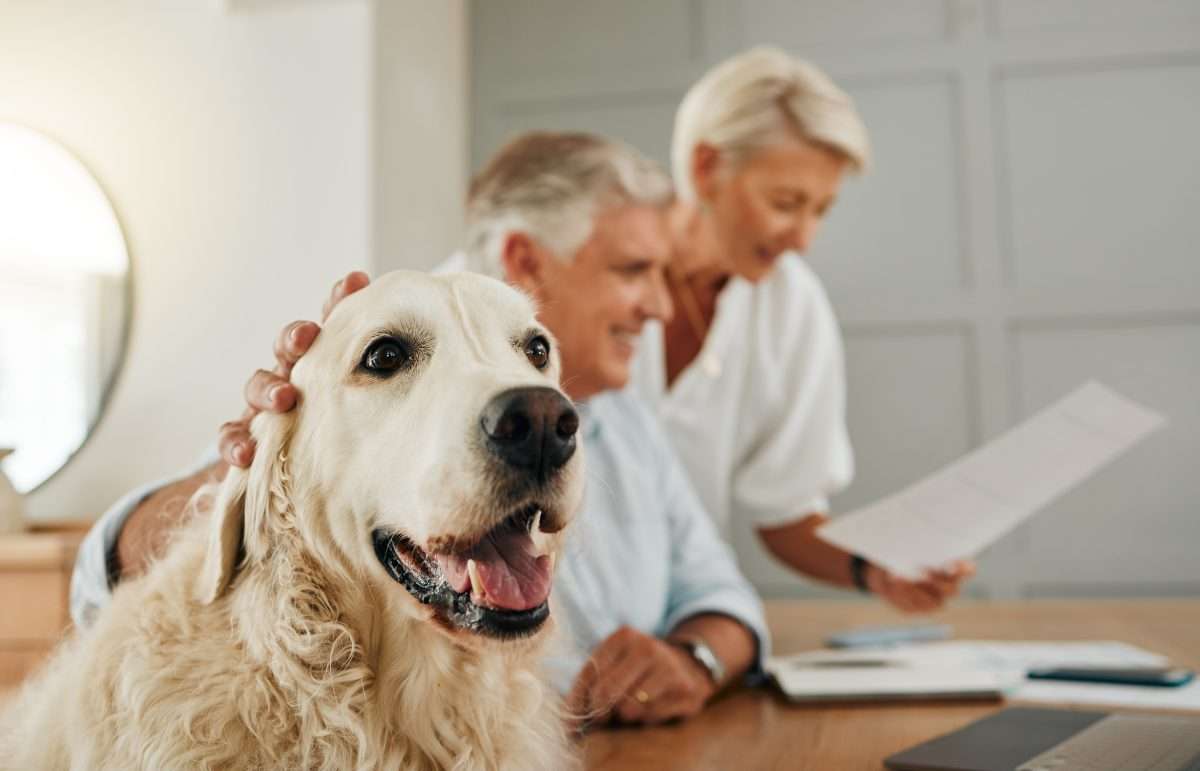
Why Dog Insurance is Essential
Dog insurance provides crucial financial protection for dog owners, ensuring that veterinary costs and other expenses are covered. It offers peace of mind, relieving owners from the worry of affording necessary care for their beloved pets.
However, dog insurance can be expensive, leading many owners to neglect coverage.
In this article, we present the most effective and proven ways to save money on dog insurance while ensuring comprehensive coverage for your furry friend.
Pet Insurance vs. Savings: Which is better?
Let's ask the question many dog owners have when it comes to considering if pet insurance is worth the money: Would I be better off just putting aside some money each month and using savings rather than dog insurance?
The short answer is no. The longer answer is, definitely no. Here's why.
Savings vs pet insurance: The reality
Is pet insurance really worth having?
One might wonder if pet insurance is truly necessary when our furry friends seem healthy and happy. The reality is that unexpected accidents and illnesses can strike at any moment, leading to substantial veterinary expenses.
Pet insurance provides financial protection, ensuring that our pets receive the care they need without placing an undue burden on our wallets. It offers peace of mind, allowing us to focus on our pet's well-being rather than worrying about the cost of treatment.
At what point is pet insurance not worth it?
There may be instances where pet insurance might not be considered cost-effective, such as for routine, low-cost veterinary services like vaccinations or general check-ups.
However, it's important to remember that the true value of pet insurance lies in safeguarding against unforeseen accidents, injuries, and serious illnesses that require expensive treatments, surgeries, or long-term care. These unexpected events can quickly accumulate significant costs, making pet insurance a prudent investment in the face of uncertainty.
Are pet plans worth it?
Pet plans, which typically involve setting aside a fixed amount each month for routine care expenses, can be beneficial for budgeting purposes. However, they often do not cover the high costs associated with major accidents, illnesses, or chronic conditions.
Therefore, pet plans should be viewed as complementary to, rather than a replacement for, comprehensive pet insurance. They provide coverage for routine preventive care but may fall short when it comes to significant veterinary expenses.
Why is pet insurance so dear?
The perceived high cost of pet insurance can be misleading compared to the potential financial burden of veterinary treatments.
The cost of pet insurance reflects the rising expenses of veterinary care, including advanced diagnostics, specialized treatments, and improved medical technologies available for our furry companions.
It also considers factors such as breed, age, and pre-existing conditions. While premiums may vary, it's crucial to evaluate pet insurance based on its long-term benefits and potential savings, rather than solely focusing on upfront costs.
Answering the question of savings vs pet insurance (conclusively)
As responsible dog owners, we strive to provide the best possible care for our beloved pets. While setting aside savings each month might seem like a practical approach, it's crucial to recognize the true cost of common treatments and the financial risks associated with relying solely on personal savings.
Pet insurance offers peace of mind, ensuring that our furry companions receive the necessary care without compromising our financial well-being.
By understanding the value of comprehensive coverage and weighing the potential expenses, we can make informed decisions that prioritize both our dogs' health and our own financial security.

The Cost of Common Dog Procedures and Treatments
Before we dive into money-saving tips, let's take a moment to understand the potential costs associated with dog illnesses and treatments. Consider the following examples:
Let's consider a hypothetical scenario where a dog owner has been saving £15 per month for 3 years instead of paying for high-quality pet insurance coverage.
We will calculate the shortfall in case their dog suddenly requires treatment for one of the listed illnesses. Please note that these figures are for illustrative purposes only and may not reflect actual costs which could be higher or lower depending on your location.
| Condition | Treatment Cost | Shortfall with £15/month Savings |
|---|---|---|
| Fractured Leg | £1,500 | -£960 |
| Torn ACL (Anterior Cruciate Ligament) | £2,500 | -£1,960 |
| Gastric Torsion (Bloat) | £3,000 | -£2,460 |
| Cancer Treatment (e.g., Chemotherapy) | £10,000 | -£9,460 |
| Diabetes Management (Lifetime) | £5,000 per year | -£4,460 per year |
| Heart Disease Treatment | £3,500 | -£2,960 |
| Corneal Ulcer | £600 | -£60 |
| Cruciate Ligament Surgery | £3,000 | -£2,460 |
In this scenario, where a dog owner adopts a savings plan approach rather than buying a high-quality dog insurance product, we can see savings fall short of covering the respective treatment costs.
These numbers are highlighted in red to emphasize the financial gap that may arise when relying solely on personal savings.
In short, in nearly all scenarios where a serious illness or injury occurs (which is when we will most need the best treatment for our dog), taking a savings-based approach will fail.
It's important to note that unexpected illnesses or injuries can occur, and the actual costs may vary. Without adequate pet insurance coverage, owners may face significant financial burdens in providing necessary treatment for their dogs.
This example underscores the importance of considering comprehensive pet insurance coverage to safeguard against potential expenses and ensure the best possible care for your furry companion.
Even if you were to put aside £20 each month into a savings account, it would quickly be depleted by the costs of long-term veterinary treatments, such as those for cancer. Therefore, dog insurance is vital to protect your finances and provide comprehensive care for your dog.
1. Overlap Your Policies
Although it may seem counter-intuitive, overlapping your policies can save you money in the long run. Most pet insurance policies have a two-week exclusion period, preventing you from making a claim during the initial two weeks.
By starting a new policy two weeks before the current one ends, you can avoid this exclusion. While you'll be paying for two policies temporarily, it is more cost-effective than paying for a single policy without the ability to claim.
2. Shop Around for the Best Deals
When it comes to dog insurance, shopping around is essential. Insurance quotes can vary significantly, reflecting the different target demographics and coverage offered by insurers.
By comparing quotes, you'll be amazed at the potential savings you can achieve. Take the time to explore different insurance providers and find the one that offers the best value for your specific dog's needs.

3. Stay Loyal When It Makes Financial Sense
While shopping around is important, there are situations where staying loyal to your current insurance provider can save you money.
If your dog develops a condition during the policy, switching insurers can result in that condition being considered pre-existing, leading to higher premiums or limited coverage.
It's crucial to assess the situation during renewal time and determine if sticking with your current insurer is financially beneficial.
4. Tailor Your Coverage to Your Dog’s Needs
Every dog is unique, and their insurance coverage should reflect that. Assess your dog's lifestyle and health history to determine the necessary coverage.
For example, if you have an English Bulldog with a history of skin problems, a comprehensive medical plan may be essential.
However, if you have an elderly Chihuahua who rarely leaves the house, you may not need additional coverage for advertising or lost earnings in case of disappearance.
By evaluating your dog's specific risks and selecting a policy that covers those risks, you can save money without compromising their well-being.
5. Invest in Preventive Measures
Reducing the likelihood of accidents and illnesses can help lower your dog insurance premiums. By investing in good-quality fencing for your garden and microchipping your dog, you minimize the risk of escape or loss, leading to potential savings on coverage.
While there may be an initial cost involved, the long-term savings and added peace of mind make these preventive measures worthwhile.
6. Minimize Your Dog’s Exposure to Risks
Veterinary appointments for emergencies can add up quickly, impacting your insurance premiums. By taking proactive steps to minimize your dog's exposure to risks, you can prevent unnecessary visits to the vet. Here are a few simple ways to achieve this:
- Lock away harmful substances that could be toxic to your dog.
- Fence off steep or slippery areas in your garden to prevent accidents.
- Ensure your bins are free from sharp objects that could injure your dog.
By implementing these precautions, you can keep your dog healthy and avoid costly veterinary visits, ultimately reducing your insurance expenses.
Remember, while saving money on dog insurance is important, it should never come at the expense of your dog's well-being.
Select a reputable insurance provider that offers comprehensive coverage and consider the potential long-term costs of forgoing insurance.
By striking the right balance, you can ensure your dog receives the care they need without breaking the bank.
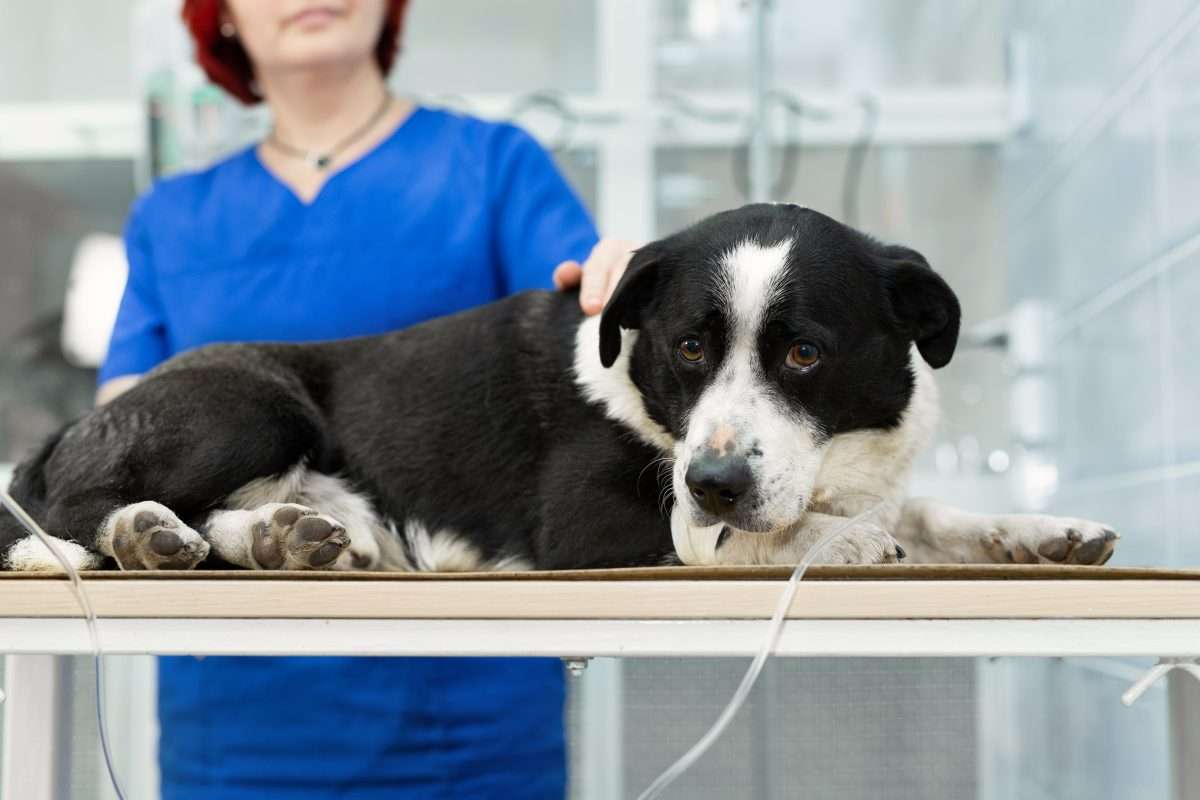
Conclusion: 10 key lessons on saving money on pet insurance
- Pet insurance offers crucial financial protection, ensuring that unexpected accidents, injuries, and illnesses don't place an undue burden on your wallet.
- Relying solely on personal savings can lead to significant shortfalls when faced with the high costs of common dog procedures and treatments.
- It is essential to understand the specific coverage needs of your dog based on factors such as breed, age, and pre-existing conditions.
- Shopping around and comparing quotes from different pet insurance providers can uncover substantial differences in premiums and coverage options.
- Loyalty to a particular insurance provider may yield benefits in terms of coverage continuity and potential discounts upon renewal.
- Assessing your dog's lifestyle and health risks enables you to choose insurance coverage that is tailored to their specific needs, avoiding unnecessary expenses.
- Investing in preventive measures, such as good fencing and microchipping, can help lower your insurance premiums.
- Avoiding repeated veterinary visits by taking steps to minimize your dog's exposure to risks can help keep premiums affordable in the long run.
- Understanding the value of pet insurance and its importance in safeguarding against unexpected expenses is crucial for responsible pet ownership.
- By implementing the six easy-to-follow strategies outlined in this article, you can maximize your coverage, minimize costs, and ensure the best possible care for your furry companion.
Remember, the world of dog insurance can be complex, but armed with the knowledge gained from this article, you can make informed decisions that balance financial prudence with the well-being of your beloved pet.
By optimizing your dog insurance coverage, you can have peace of mind knowing that your furry friend's health is protected while enjoying potential savings in the face of unexpected veterinary expenses.
