

Millions of dogs are lost in the United States each year. The general rule of thumb was to print flyers, make phone calls to local shelters, and wish for the best.
That sometimes worked, but it was slow, had limited reach, and relied heavily on the right person being in the right place at the right time.
The image is quite different nowadays. A specifically created digital environment that utilizes digital platforms to facilitate lost and found pets has transformed the way recoveries occur, and the numbers speak volumes.
The Distance Between Conventional Approaches and What Dogs Really Require
The most crucial time is within the first 24 hours when a dog is lost. A dog is able to cover a number of miles within a number of hours, more so when there is a storm, a firework display, or any other scenario that would result in running with fear.
The old-fashioned methods of recovery simply are not able to maintain that pace.
Printed flyers are time-consuming to design, print, and distribute. By the time a stack of flyers is put up in a neighborhood, the dog can be miles away.
Posting in local Facebook groups or community boards is wholly based on your existing network and the extent to which your post will be shared.
Shelter visits and calls are significant, yet shelters have intake backlogs, few staff, and no means of pushing real-time alerts to the public.
All these approaches are not useless. None of them is fast enough, however.
Digital Alert Platforms and How They Are Bridging the Recovery Gap
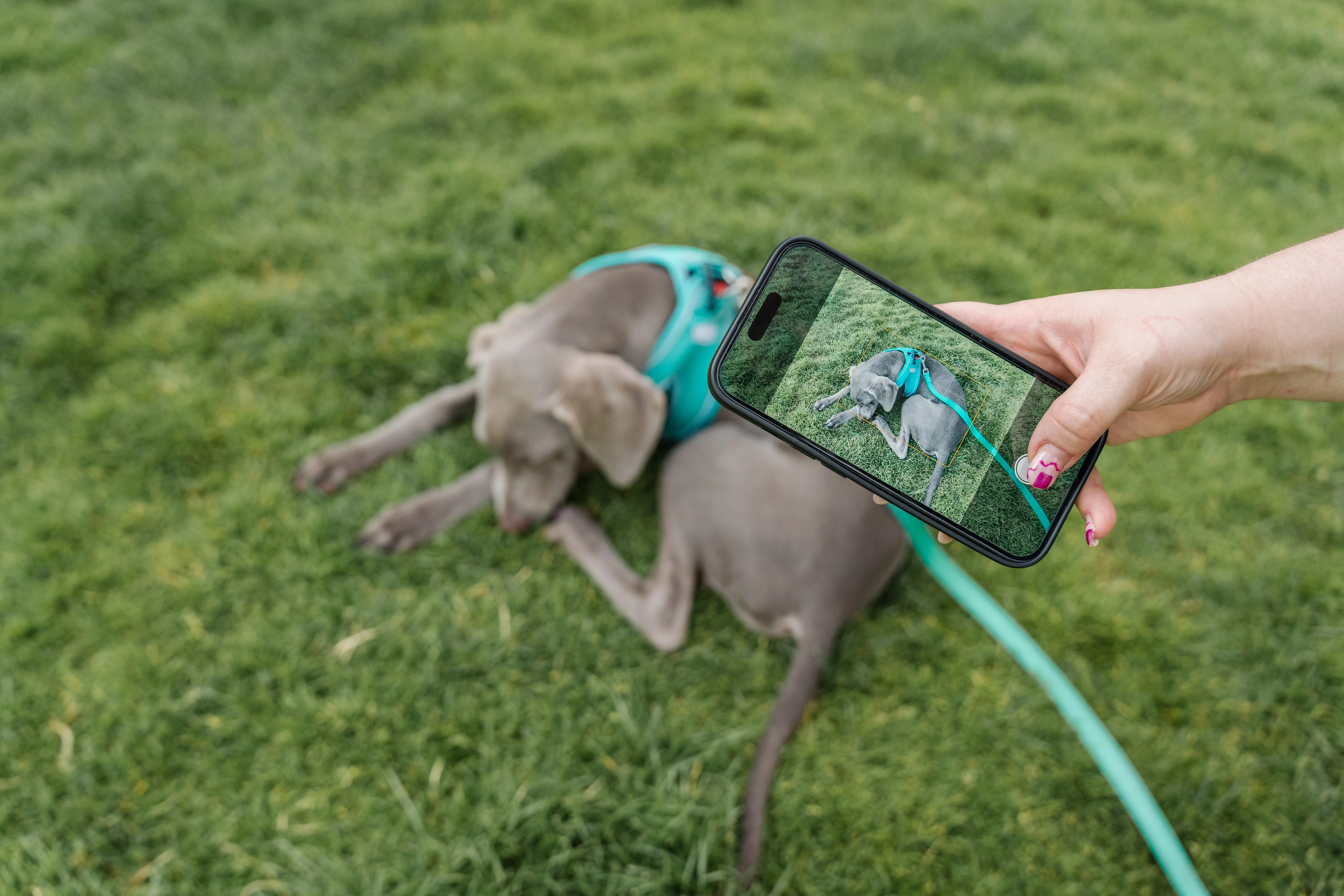
The change was initiated by the introduction of apps dedicated to lost and found pets that started to use geolocation to deliver direct notifications to local residents.
This transformed the model altogether.
The alert is no longer a hope that someone would, by chance, find a flyer or accidentally bump into a Facebook post — the alert is sent straight to the phones of individuals within an identified geographic area of the dog's last known location.
This is the model of operation of PawBoost. When an owner sends an alert about a lost dog, the site sends alerts to thousands of local community members who have subscribed to receive lost dog alerts in their locality.
They are not inactive feed scrollers. They are individuals who have specifically registered to assist in locating missing animals. The disparity in speed of response and community involvement is dramatic.
Photo matching and verified profiles are another important layer. Upon reporting a found dog on the platform, photos and descriptions are matched with active lost pets listings in the vicinity.
This systematized matching saves time in connecting a lost dog with its owner, particularly when the person who found the dog does not have a clue where to begin searching.
Why Microchipping Is Not an Adequate Solution Alone
Microchipping is a necessity, and all dog owners must chip their dogs with up-to-date contact details. But a microchip is a passive device.
It can only work when someone physically scans it; that is, the dog has to be taken to a shelter or veterinary center where a scanner exists.
A digital community alert layer fills the void created by microchipping. The majority of dogs are stumbled across by ordinary people: neighbors, walkers, drivers, and kids playing outside.
These finders do not have chip scanners. All they have is a smartphone. When they are notified by a PawBoost alert, they do not require any equipment. All they need to do is note the dog and call.
Microchipping and digital alerts are most effective together. Without one or the other, your recovery plan will have a big gap.
The First 24 Hours
The first 24 hours of a structured response when a dog goes missing offer the best opportunity for a fast recovery. Immediately post a lost and found pets alert on PawBoost with a clear photo and last known location.
Call all shelters and veterinary clinics within 20 miles and request to be placed on their watch list. As a second channel, share the alert in local Facebook groups and neighborhood apps.
Explore your neighborhood, including places where your dog spends most of its time.
Keep checking back on your PawBoost alert, as community members can also submit sighting reports.
A Real Recovery: 47 Minutes Between Lost and Found
In Austin, Texas, when his Labrador, Copper, ran away through an open gate during a thunderstorm, his owner sent a PawBoost alert just a few minutes later.
A neighbor living two streets over got the notification on her phone and spotted Copper hiding under her car. Missing time: 47 minutes.
It was possible due to speed and reach. No flyer could have covered two streets in 47 minutes. No shelter call could have brought those two individuals into contact so fast.
A targeted digital alert to a nearby community member made the reunion happen.
The Bottom Line
Technology has not replaced the instinct to search for a lost dog. It has rendered that search quicker, broader, and more connected.
Specially constructed platforms to reunite lost and found pets have the potential to engage the community in the process of recovery in real time, reaching individuals who are in the immediate vicinity, awake, and willing to assist.
For dog owners across the US, that change has transformed the most heartbreaking circumstances into reunions, sometimes within a single day.
