

Traveling with your dog can be one of the most rewarding experiences for pet owners.
Whether you’re heading to a weekend getaway, visiting family, or taking a long road trip across the country, having your dog along adds joy, companionship, and plenty of unforgettable memories.
However, long trips also come with unique challenges. Both dogs and their owners can experience fatigue, restlessness, and discomfort over extended periods of travel.
Dogs, especially those not used to long car rides or flights, may become anxious, lethargic, or restless. Meanwhile, owners may face stiffness, back pain, or eye strain, particularly if they are behind the wheel for hours at a time.
Prioritizing comfort is not a luxury—it’s a necessity for a successful journey. With thoughtful planning, smart packing, and attention to personal well-being, long trips can be enjoyable and stress-free for both you and your furry companion.
Plan for a Smooth Start
Research Dog-Friendly Stops
Preparation is the foundation of comfort. Before leaving, make a list of pet-friendly hotels, motels, and rest areas along your route. Websites and apps can help you locate safe walking areas, dog parks, and pet-friendly restaurants.
Knowing in advance where your dog can safely stretch, relieve itself, and explore makes travel much more relaxing.
In addition, check for veterinary clinics or emergency animal care centers along your route. While we hope you won’t need them, knowing exactly where to go in case of illness or injury can prevent stress and panic if an unexpected situation arises.
Time Your Travel Wisely
Planning your departure times can dramatically improve comfort for both you and your dog. Avoid traveling during the hottest part of the day, especially in summer months, to prevent overheating.
Early mornings or late afternoons are often the most comfortable periods for pets and people alike.
Plan regular stops every 2–3 hours. These breaks allow your dog to stretch, walk, and release energy, and they give you a chance to move around, refresh, and avoid stiffness.
Include some flexibility in your schedule for unexpected delays or detours—rigid plans can create stress if something unexpected occurs.
Pack Smart for Both of You
Essentials for Your Dog
Packing well for your dog is essential for comfort, safety, and peace of mind. Make sure you have:
- Food and water supplies: Bring enough for the entire trip, plus extra in case of delays.
- Portable bowls: Collapsible bowls are perfect for feeding and watering your dog at stops.
- Waste bags and cleaning wipes: Keep your car or accommodations clean and sanitary.
- Medications and health records: If your dog takes medication, ensure it’s packed with clear instructions. Health records may also be required if crossing state or national borders.
- Familiar items: A favorite blanket, toy, or chew can help calm your dog in new environments.
By having these essentials ready, you reduce anxiety for both you and your dog and make travel smoother overall.
Essentials for You
Your comfort and readiness are also essential, as is your dog’s. You should carry any medications or prescriptions that you may require, and wear comfortable clothing and sturdy shoes for walking or engaging in outdoor activities.
Weather-protecting accessories like a hat, sunglasses, and sunscreen are vital when spending long periods of time under the sun.
You should also carry snacks, water, and personal effects that keep you energized and comfortable, such as a travel pillow or a small blanket for the car.
For people who wear prescription contact lenses, these should be considered a high priority in your list of things to pack. You should carry an extra set of lenses, a small bottle of lens solution, and an extra set of glasses.
Long journeys in a car, bus, or plane can cause dryness or irritation in the eyes, especially in air-conditioned or drafty spaces. By keeping your lenses clean and having a backup plan, you can ensure that your eyes remain comfortable, clear, and healthy.
This will help you avoid distractions caused by discomfort, allowing you to focus entirely on the road, your dog, and the entire experience.
Additionally, think about small items that make life easier during the trip: hand sanitizer, tissues, a reusable water bottle, and a lightweight backpack to carry essentials during breaks.
By preparing both for your dog’s needs and your own, you reduce stress and create a comfortable travel experience from start to finish.
Create a Comfortable Travel Environment
In the Car or on the Plane
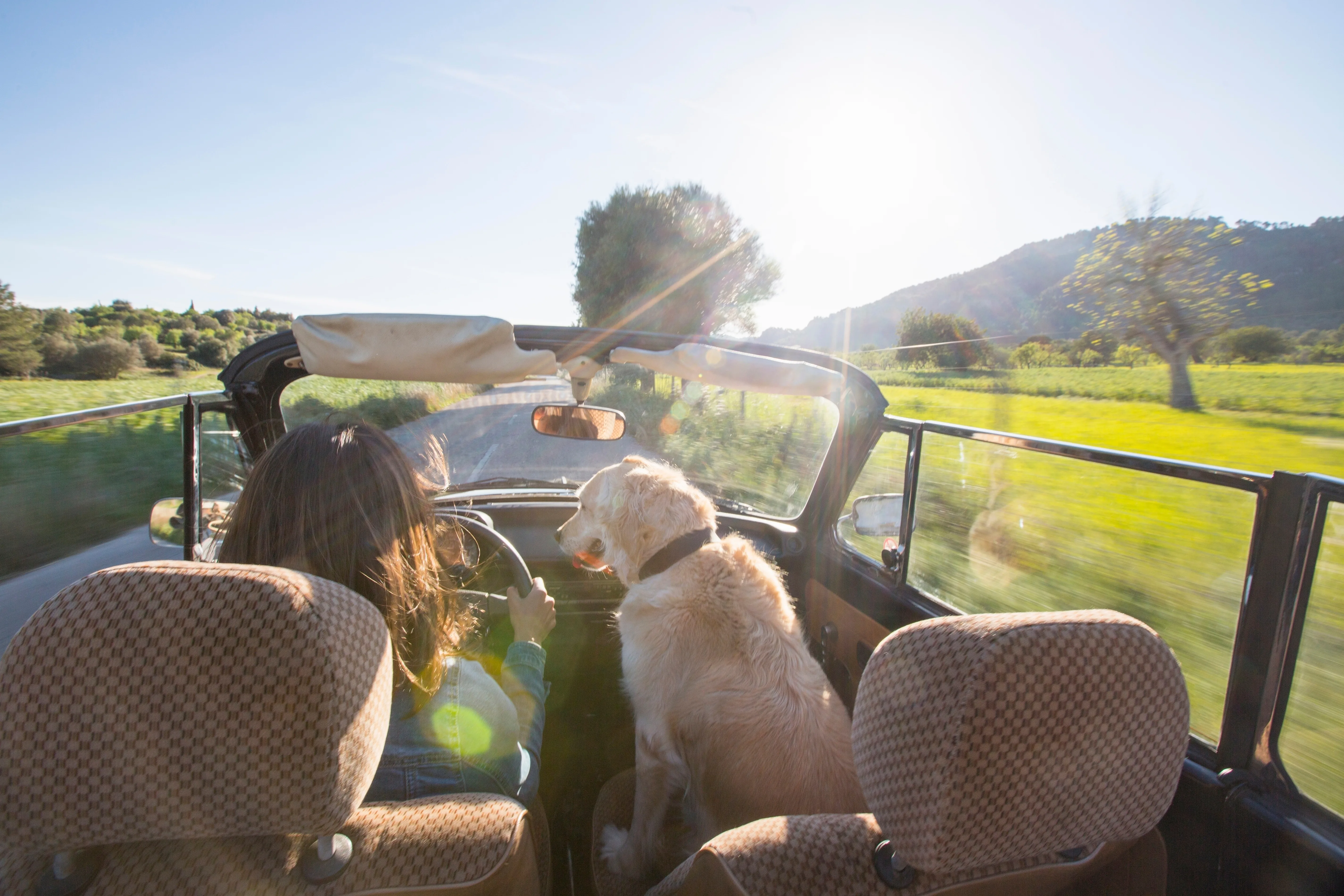
Whether you are traveling by car or airplane, it is essential to provide a comfortable environment for your dog. A dog harness or travel crate will ensure your dog’s safety and protect it from sudden movements that may cause harm.
For car travel, you can consider a dog seatbelt harness or a dog crate that is fastened with the seatbelt to prevent it from moving when the car brakes.
It is also worth checking your tyres before departure and knowing where to find a reliable tyre provider, as unexpected tyre problems can make long journeys much more stressful for both you and your pet.
For airplane travel, an airline-approved dog carrier will ensure your dog’s safety and provide a familiar environment.
Familiar objects, such as a favorite blanket or toy, can help calm your dog and make it feel more at home. Airflow and temperature control are essential, and dogs are extremely sensitive to heat. Never leave your dog alone in a parked car.
Stay Physically Comfortable on the Road
Take Regular Breaks
Long periods of sitting can affect both you and your dog. Regular stops every few hours allow your dog to stretch, explore, and release pent-up energy.
These breaks also benefit you: a quick walk or light stretching helps prevent stiffness, improves circulation, and reduces fatigue.
Walking together is not only healthy but also a bonding experience, letting your dog explore new surroundings while giving you a mental and physical refresh.
Hydration and Nutrition
Maintaining hydration and nutrition is key. Offer water frequently to your dog, especially in warm weather or after exercise.
Avoid heavy meals immediately before long stretches of travel to prevent discomfort. For yourself, drink plenty of water and eat light, nutritious snacks.
For contact lens wearers, staying hydrated is even more important. Dry eyes can become uncomfortable during long car rides or flights, particularly in air-conditioned environments.
Eye drops or lubricating solutions can help maintain moisture and comfort, allowing you to wear your lenses for longer periods without irritation.
Mental and Emotional Comfort
Long trips can be mentally tiring for both pets and owners. For dogs, gentle reassurance and calm behavior from their owner can reduce anxiety. Bring treats or engage in short training games during breaks to keep your dog mentally stimulated.
For yourself, listen to music, audiobooks, or podcasts to maintain a positive mood and keep your mind engaged. Planning for both physical and mental comfort ensures the journey is not just bearable but enjoyable.
Conclusion
Comfort during travel is a collaborative effort between the pet and the owner. By being proactive, prepared, and taking the initiative to ensure your comfort, you will ensure that your dog has a great time as well.
Simple measures such as carrying additional water, taking frequent breaks, and personal items such as contact lenses go a long way.
When both of you are comfortable, the journey becomes less of a grueling trek and more of an adventure that is filled with fun, learning, and bonding.
With some planning, long journeys with your dog can be as comfortable and enjoyable as any weekend getaway. The hard work that you put into ensuring that your dog is comfortable will pay off in the form of fond memories.
