
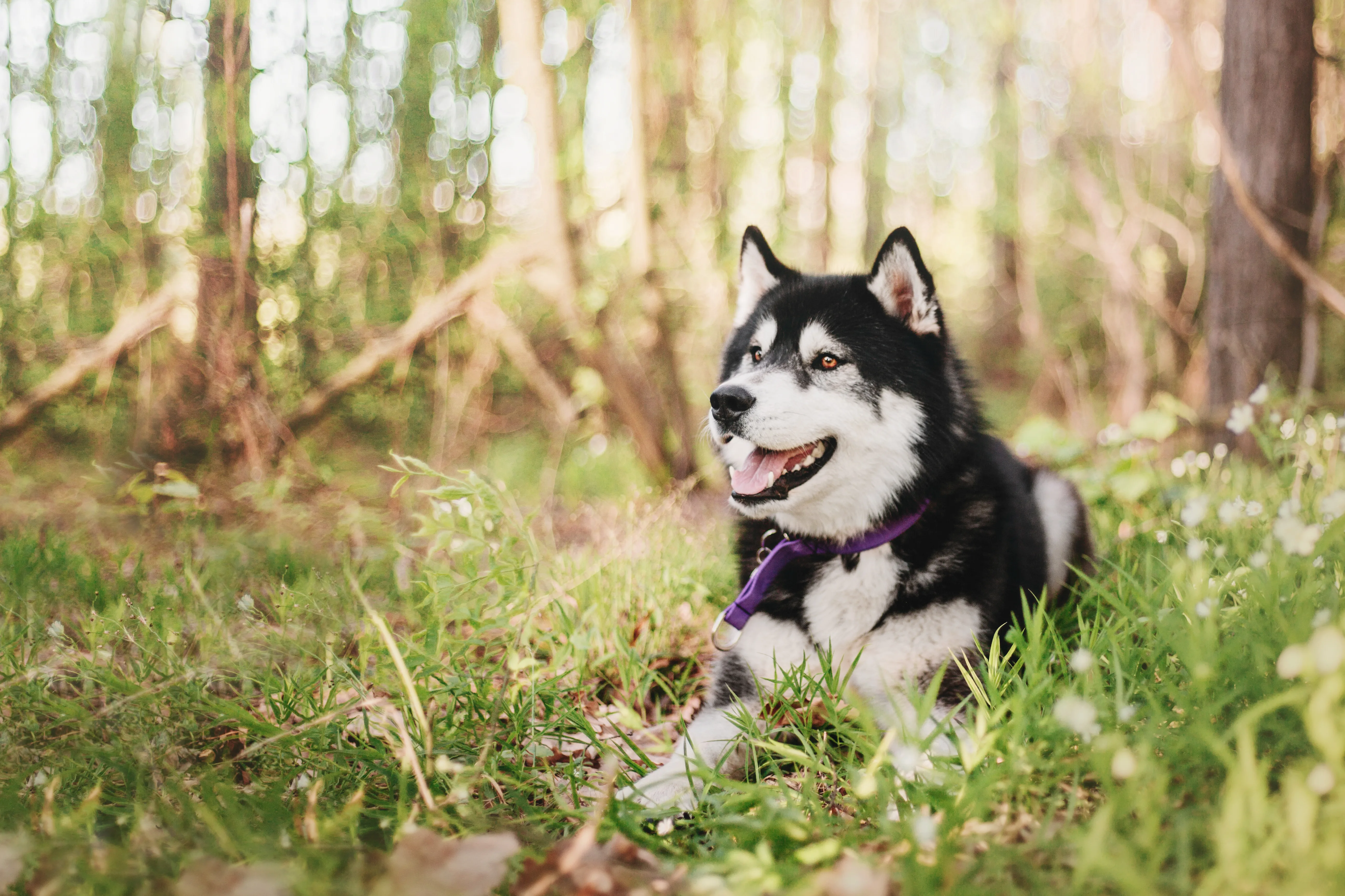
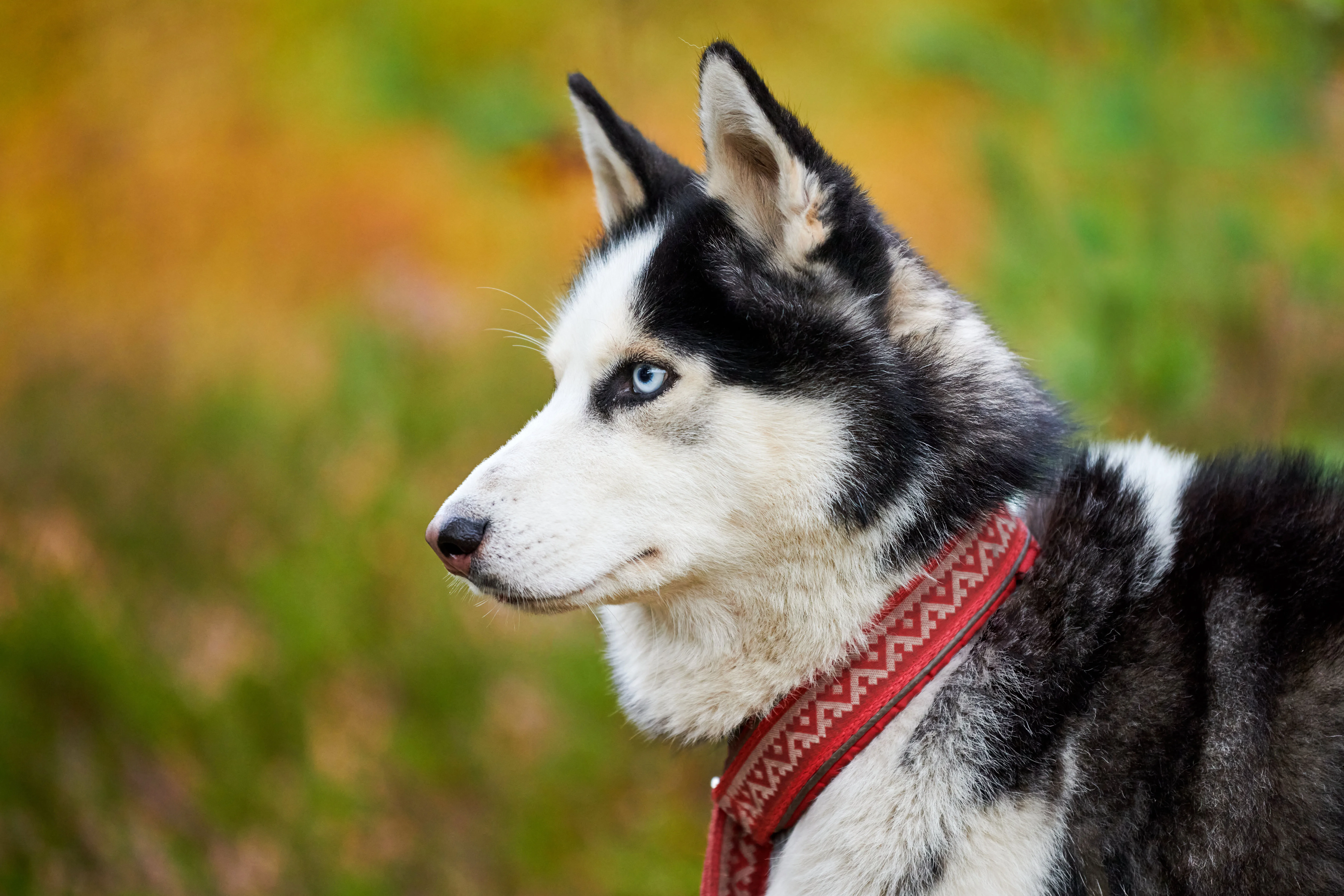
For the uninitiated, the Siberian Husky is often defined by a single, striking image: piercing blue eyes and a thick, wolf-like coat.
But according to canine expert Caroline Kisko, those who buy a Husky solely for its aesthetic usually find themselves drafted into a high-octane world they never expected.
“The original desire to own a strikingly handsome dog often disappears into the excitement and adrenaline of running a team,” Kisko explains. Once an owner attends their first race, she notes, they almost inevitably catch the "working bug."
What begins as a single pet frequently evolves into a pack. Kisko observes that because Huskies are happiest in a communal environment, it is easy for numbers to grow. In the early days of the sport, competitive teams of twenty or more were common.
While the lifestyle is rewarding, Kisko is quick to offer a reality check to newcomers: these dogs can live for 15 years or more. Building a racing team isn't just a hobby;
Education on the Run
The transition from a playful pup to a disciplined sled dog is a process rooted in mimicry and instinct. Kisko points out that training begins early, with pups being introduced to harnesses while they are still young.
The real education, however, happens during the summer months.
By running shorter distances alongside veteran dogs, the youngsters learn "trail manners" by simply following the other team members. Because mushers rely entirely on voice commands rather than reins, this bond of trust and imitation is the backbone of the sport.
An Evolving Sport
While the image of a massive team pulling a heavy sled persists, Kisko notes that the sport has become significantly more accessible.
The rise of smaller classes—such as two-dog teams, bikejoring, and scooter classes—has opened the trail to those who may not have the facilities for a massive pack.
This evolution also serves a vital welfare function. Kisko explains that these smaller classifications allow older dogs to remain active. Even if they have lost their competitive "sprint" speed, they can still enjoy the work they were bred to do.
The "Dual-Purpose" Standard
One of the most unique aspects of the Husky community is the commitment to the "dual-purpose" dog. Unlike many breeds where "work" and "show" lines have drifted apart, Kisko highlights a philosophy where a dog can be both a high-performance athlete and a model of the breed standard.
“Many of the dogs that compete throughout the winter will also appear in the ring at Crufts and other shows in the summer,” says Kisko.
She describes the breed as inherently sociable, noting that while they may enjoy the attention of the show ring, their "first love" remains the raw thrill of a forest trail.
Respecting the Terrain
The technical side of the sport requires a deep understanding of canine physiology. Kisko emphasizes that the choice of trail surface is paramount to preventing injury.
While grassy forest trails are the gold standard, she notes that keeping a dog’s feet "fit" for various terrains is a key part of management.
And as for the mud that inevitably comes with the territory? Kisko maintains that the dogs rarely mind the mess. In her experience, it’s almost always the musher who ends up bearing the brunt of the cleanup.
From the specialized rigs and harnesses—some imported from North America—to the intricate dynamics of pack leadership, the world of the Siberian Husky is one of precision and passion.
Through the expertise of advocates like Kisko, it’s clear that while the beauty of the breed may get them through the door, it’s the spirit of the work that keeps them there.
