
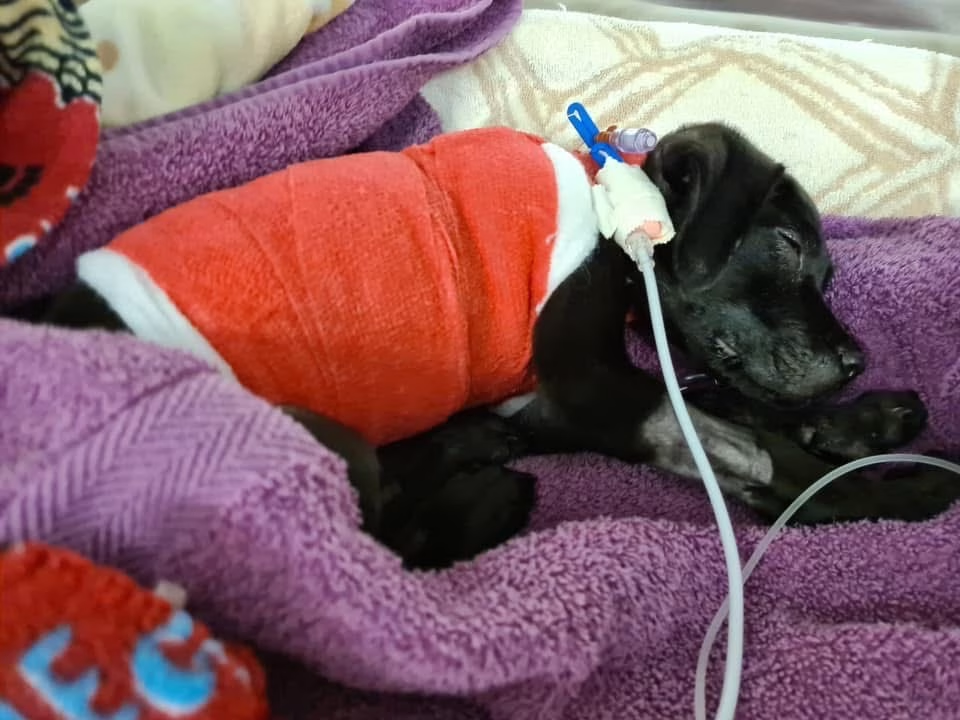
Annie’s life hasn’t always been glamorous. Looking at her now, it is hard to believe that at one point in her life, she had to fight to survive. At just a few months old and weighing only 2.9 pounds, she was rescued from the side of a rural road in Wilcox County, Alabama.
When Dirt Road Doggies Rescue volunteers, Trisha and David Ambrose, received the call from the local veterinary clinic about this tiny puppy, they were already in the area delivering supplies to a shelter in a nearby city.
The clinic staff believed she was approximately five to six weeks old. Annie’s tiny stature and beautiful eyes captured the hearts of David and Trisha the moment they met her. The word “yes” would change Annie’s life forever.
All seemed well with Annie at her first check-up at the rural clinic. What was initially believed to be a simple gastric upset to be treated with medication would turn out to be a far more serious diagnosis for such a tiny pup.
Annie’s First Night in Rescue
As Trisha and David were on their way back home to Georgia, Annie became sick. Their first thought was parvo, and with other foster dogs in their care, panic began to set in.
They immediately rushed Annie to the clinic, where the words “megaesophagus” and “we can’t treat her here” hit like a brick wall. Annie was referred to the University of Georgia (UGA) Veterinary Teaching Hospital.
When Trisha made the call, she learned that Annie couldn’t be seen for weeks. Desperate to find somewhere to treat Annie, she called five other hospitals in different states, but none had appointments available.
What is Megaesophagus?
Megaesophagus is a disorder in which the esophagus abnormally dilates and loses the ability to move food efficiently to the stomach. With the odds against Annie, Trisha and David prepared themselves for the worst. The prognosis was not what they had hoped for, but Annie had the will to fight, and they were ready to take this fight on with her.
Annie returned home under instructions to continue with elevated feedings. No matter what they tried, she would regurgitate after every meal.
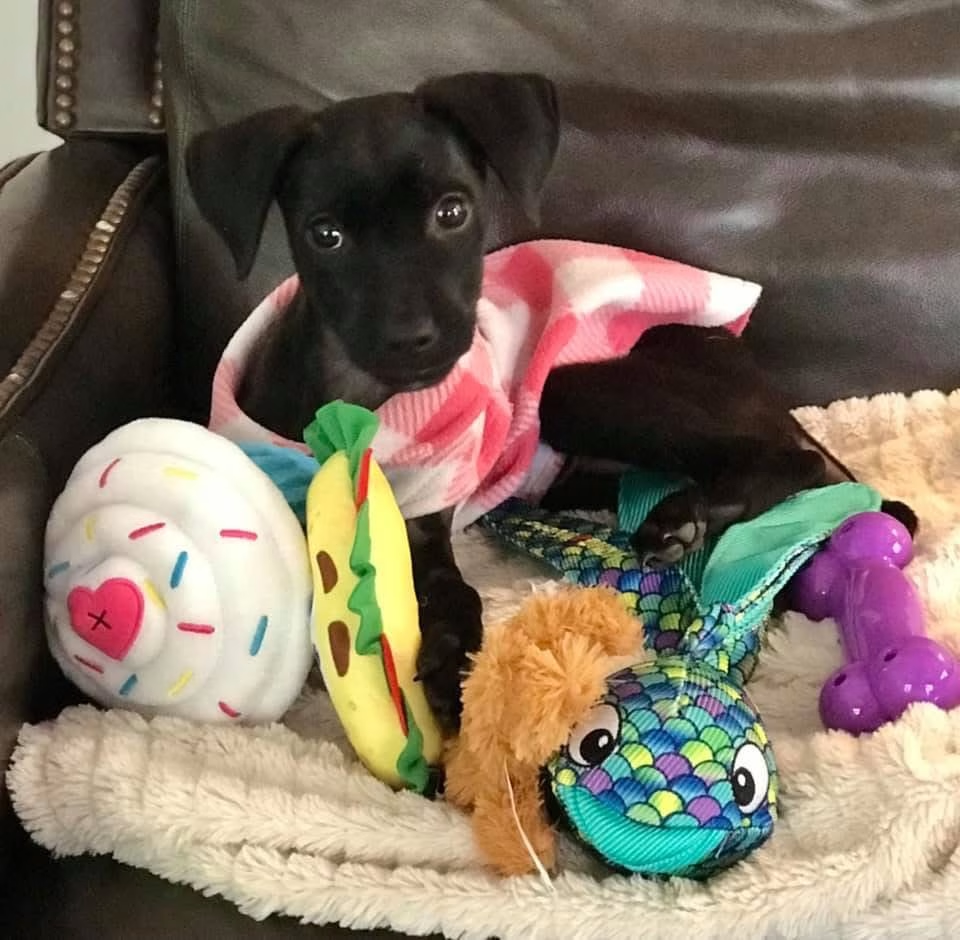
Annie Declines
Two days later, Annie was rushed to the UGA Veterinary Teaching Hospital after becoming lethargic and weak. When talking to doctors on Annie’s case, Trisha and David learned Annie’s actual age was approximately 12 weeks old. She was also diagnosed with pneumonia from aspirating her food.
Annie was then placed on antibiotics, and arrangements were made for her to receive Total Parenteral Nutrition (TPN) after it was determined that this was the only way for her to receive the nutrients she would need without the ability to eat on her own.
The veterinary team also discovered Annie’s esophagus was narrowing. The newly discovered condition, called persistent right aortic arch (also known as vascular ring anomaly), would require surgery to free her esophagus and save her life. Annie was under supportive care until she was stable enough to undergo the surgery.
The surgery to free her esophagus was successful, but not without challenges. During the procedure, she suffered from significant blood loss and was monitored by veterinary staff to determine if she would need blood replacement therapy.
After eight days, Annie was discharged from the hospital’s care with instructions to be fed high-calorie supplements, which would cost over $200 per bag.
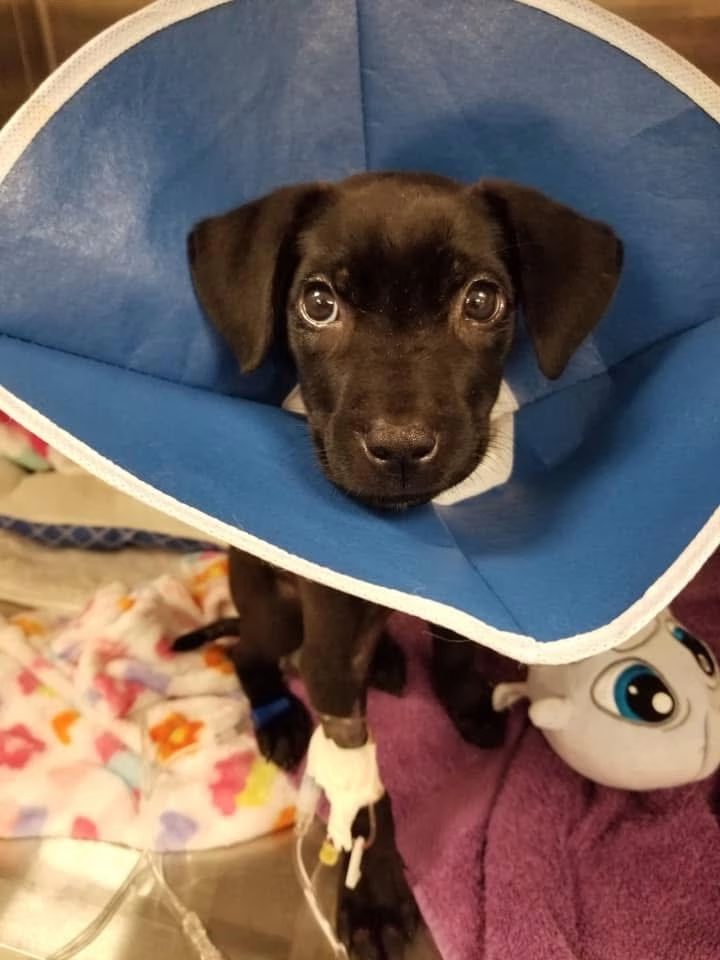
The Fight to Survive
Annie would continue to struggle to maintain her weight. At just five pounds, she continued to regurgitate after every feeding. After a visit to her primary care veterinarian, Trisha and David learned Annie’s newest diagnosis: gastric motility disorder, a condition where the stomach’s muscles and nerves don’t work correctly, causing problems with the movement of food through the digestive tract.
Three weeks after she was discharged, Annie was readmitted to the UGA Veterinary Teaching Hospital after being diagnosed with pneumonia for the second time. At the time, her condition was critical. The treatment options were slim, and nothing was guaranteed.
After talking with Annie’s care team, the decision was made for Annie to undergo the endoscopic procedure to have a feeding tube placed after she recovered from pneumonia.
This procedure was vital in Annie’s recovery.
After surgery, she remained in the ICU in the oxygen cage over the weekend. Before leaving the hospital, Trisha and David learned how to properly prepare meals for Annie and how to maintain her feeding tube. After another eight-day hospital stay fighting for her life, Annie was discharged.
Annie’s Recovery
The battle was far from over after leaving the hospital. At approximately five months old, Annie weighed only six pounds. Trisha and David worked around the clock to feed and care for Annie with strict instructions not to allow her to have solid food, water, or anything else that she could potentially eat so her esophagus could heal.
Trisha and David stuck to the plan of feeding by PEG tube, four to eight times per day. While tending to over 30 foster dogs, they found the time to give her the love, attention, and care she deserved.
They took turns sleeping with Annie to be sure she did not chew on her feeding tube or in case she was to regurgitate, to hopefully prevent aspiration. Taking care of Annie was a full-time job, and they were fully devoted to caring
for her.
Time passed, and Annie seemed to be adjusting to her new life with her feeding tube. It became her routine. Hitting new weight milestones, every single day, was celebrated.
Six pounds became ten pounds, and the numbers on the scale continued to climb. She wore the cutest pajamas to protect her PEG tube and went through a total of six sizes! Annie went from having feedings throughout the day to eating twice a day with “snacks”.
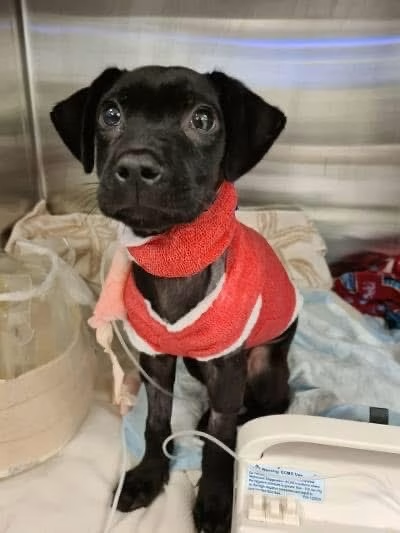
Another Challenge
A few months later, during a routine appointment with her primary care veterinarian, Trisha pointed out a few small bumps under the skin around Annie’s tube site. Initially, it was believed that the bumps were probably harmless calluses, but it was recommended to monitor the area for changes.
Days later, she would be rushed back to the UGA Veterinary Teaching Hospital. This time it was for an infection around the PEG tube site. The area around the tube became inflamed, and she needed antibiotic treatment immediately. With quick intervention, Annie was able to recover.
A New Chapter
After the scare with infection, Annie’s medical team decided it may be time to slowly introduce the transition to mouth feeding. She did amazingly well with her new eating style. Although she did better than expected, she still had occasional episodes.
Annie continued to grow stronger daily. Four and a half months after the PEG tube was placed, the day had finally come: Annie’s feeding tube was removed.
How is Annie Doing Now?
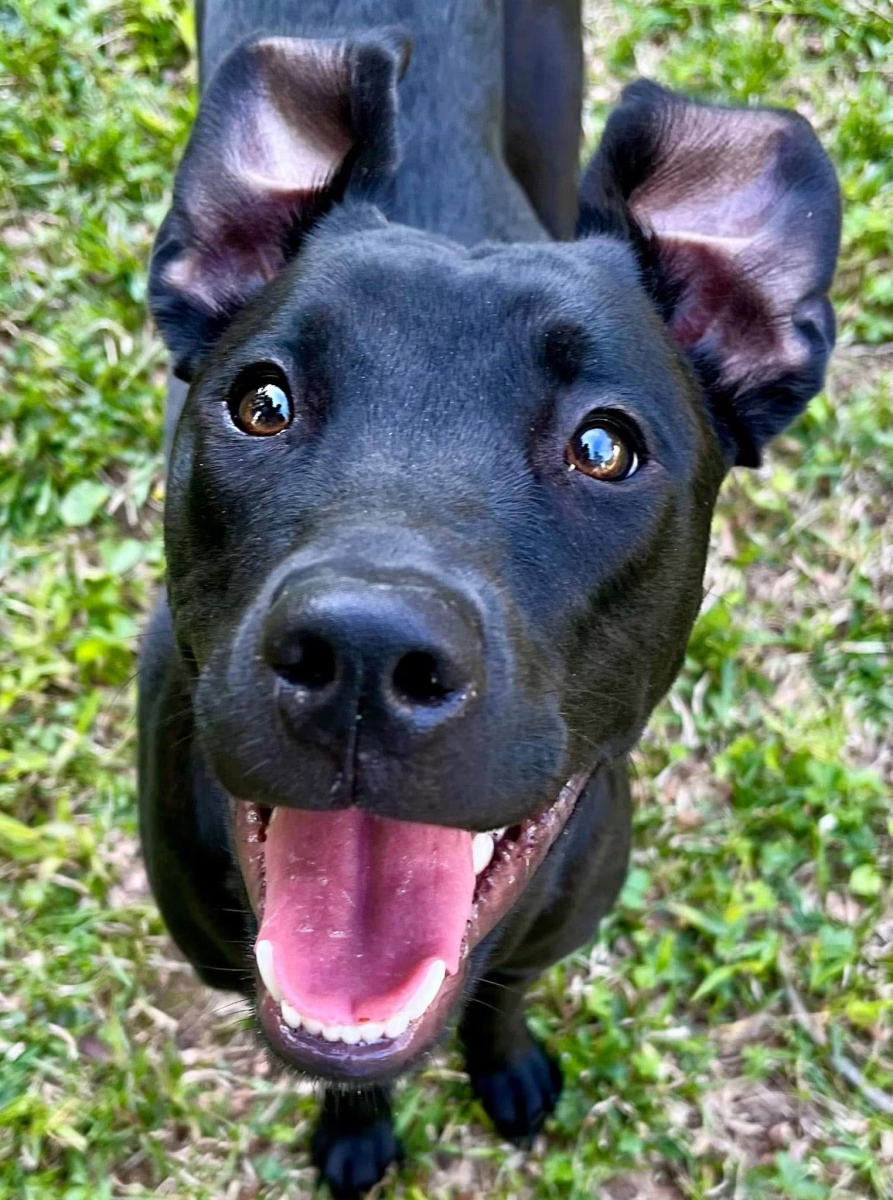
It has been four years since the tiny 2.9-pound puppy was rescued. Her story is one of resilience and a true testament to what love can achieve. Annie’s will to live is nothing short of inspirational.
Today, Annie weighs approximately 45 pounds! She spends her days with her best friend and comfort dog, LuLu the Farm Poodle, playing with other foster pups, and making sure David stays on time with the food schedule!
Annie is now a permanent member of the Ambrose pack and is a light in the world of those who know her through social media and in everyday life. The bond she shares with Trisha and David is one that is truly special and unbreakable.
During her journey, Annie was selected for a national campaign through the popular fundraising platform for dogs in need, CUDDLY. Without the kind hearts of Trisha and David Ambrose, Dirt Road Doggies Rescue volunteers, the CUDDLY community/donors, and Annie’s medical team, her chances of survival would have been slim to none.
Our Mission
Many dogs suffer daily in Wilcox County, AL. Just like Annie, they find themselves abandoned, abused, and alone to fend for themselves.
Since 2020, Dirt Road Doggies Rescue has saved over 400 of these amazing dogs from this rural Alabama County. Wilcox County, Alabama, is one of several Alabama counties that fail to comply with Alabama state law, which states every county in the state must provide and maintain an animal shelter for stray animals at large.
Ditches to Riches Rescue, Dirt Road Doggies Rescue, and For the Love of Dogs Vermont are working together to combat the ongoing crisis in Wilcox County and to place dogs into the loving homes they deserve.

Katelyn McInnis wrote Annie’s story beautifully. I love reading this (the last article about Bear too) and just knowing the efforts these kind hearted people put into rescue work in areas where it isn’t a concern is just truly honorable. Thank you, Katelyn and team for all you do!