
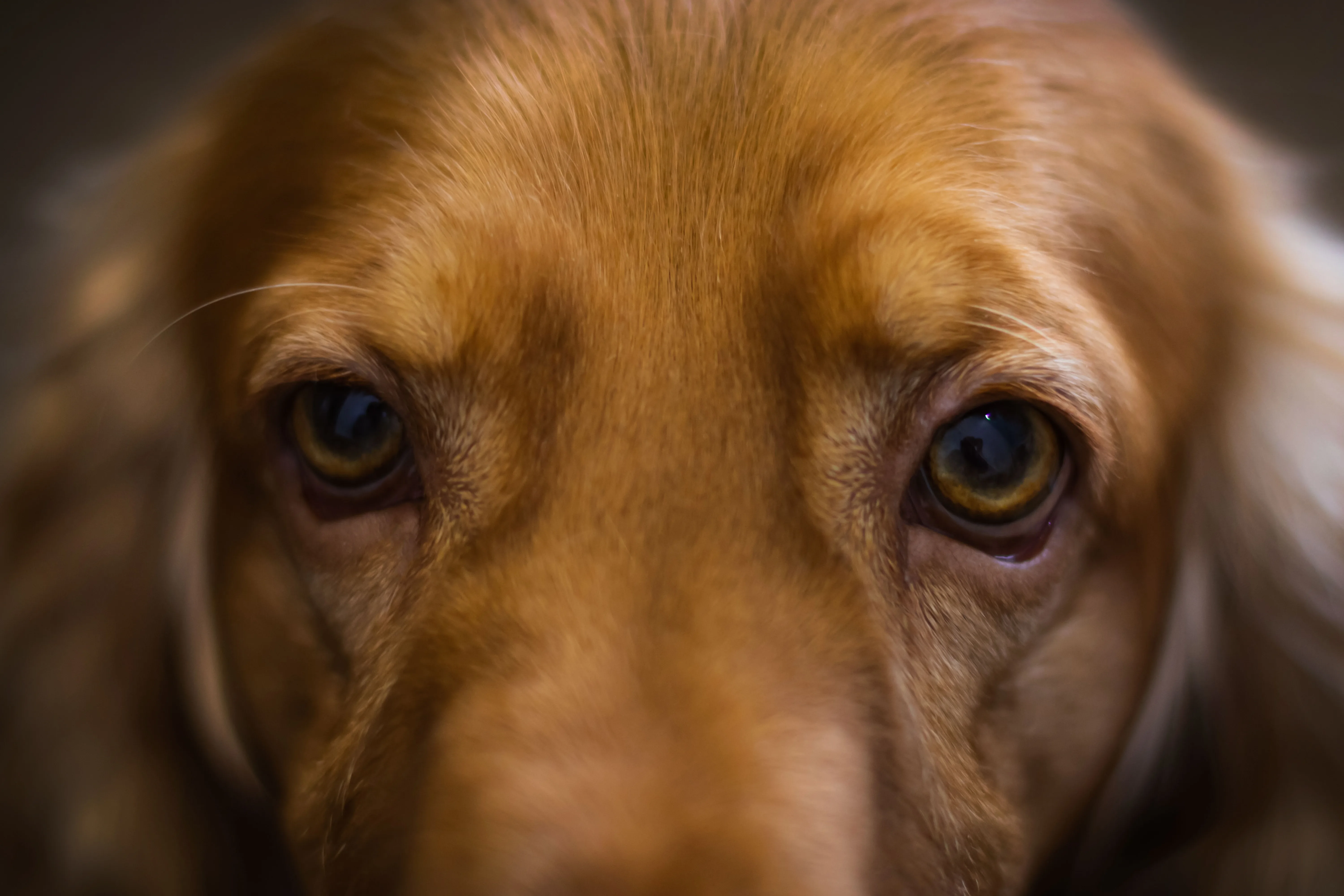
You pull your suitcase from the closet, and your dog trots in, tail lowered, watching every move. As those big, expressive eyes follow you, a heavy lump forms in your throat.
You feel excited for your trip, yet looking down fills you with unexpected sorrow, anxiety, and guilt.
Leaving a beloved pet is one of travel's most emotional challenges. While we often focus on canine separation anxiety, pet owners experience it just as deeply.
Understanding the psychology behind this struggle helps you manage guilt, trust your care choices, and enjoy your trip with true peace of mind.
The Unexpected Heartbreak of Leaving Your Pet
The moment you zip your suitcase shut, a quiet conflict often begins inside your mind. On one hand, you are looking forward to exploring a new destination, resting, or visiting friends and family.
On the other hand, you feel as though you are abandoning a member of your immediate family who depends on you for everything.
This emotional tug-of-war is completely normal. Our dogs are not just animals living in our homes; they are a steady source of comfort, non-judgmental companionship, and daily routine.
When we prepare to leave them, even for a few days, our minds naturally register the upcoming absence as a painful disruption to an important bond.
Acknowledging that owner separation anxiety is a real, valid emotional experience is the first step toward easing the burden.
Why Leaving Your Dog Triggers Deep Guilt and Anxiety
The primary cause of pet-leaving guilt is the communication barrier between humans and animals.
You cannot sit your dog down, pull out a calendar, and explain that you will be back next Tuesday at three o'clock.
Because you cannot explain where you are going or why you are leaving, your brain fills in the blanks with worries that your dog will feel confused, unloved, or forgotten.
Furthermore, our dogs are intimately woven into our daily routines and emotional safety nets. They greet us when we wake up, sit by our side while we work, and welcome us home at the end of long days.
Removing that constant presence leaves a noticeable hole in your routine. Additionally, handing over care to someone else means giving up total control.
You might worry whether a sitter or boarding facility will understand your pet's subtle habits, fears, and preferences as well as you do.
When managing these complex emotional triggers, using tools like Overwell can help you process feelings of anxiety, maintain daily perspective, and build healthier emotional habits.
Common Mindset Traps for Pet Parents
When preparing to travel, pet parents often fall into mental traps that amplify their anxiety. One common trap is adopting a negative self-narrative.
You might tell yourself that taking time for your own rest makes you a selfish or irresponsible pet owner. In reality, taking care of your own needs and taking trips is a normal, healthy part of human life.
Another frequent mistake is over-interpreting your dog's behavior. A dog sniffing around a suitcase or sitting quietly near the door is simply observing a change in their environment.
Humans tend to project complex human emotions like heartbreak, betrayal, or resentment onto basic canine curiosity.
Finally, constantly checking pet cameras or obsessively messaging your pet sitter throughout your trip keeps your brain locked in a state of high alarm, preventing you from ever fully relaxing.
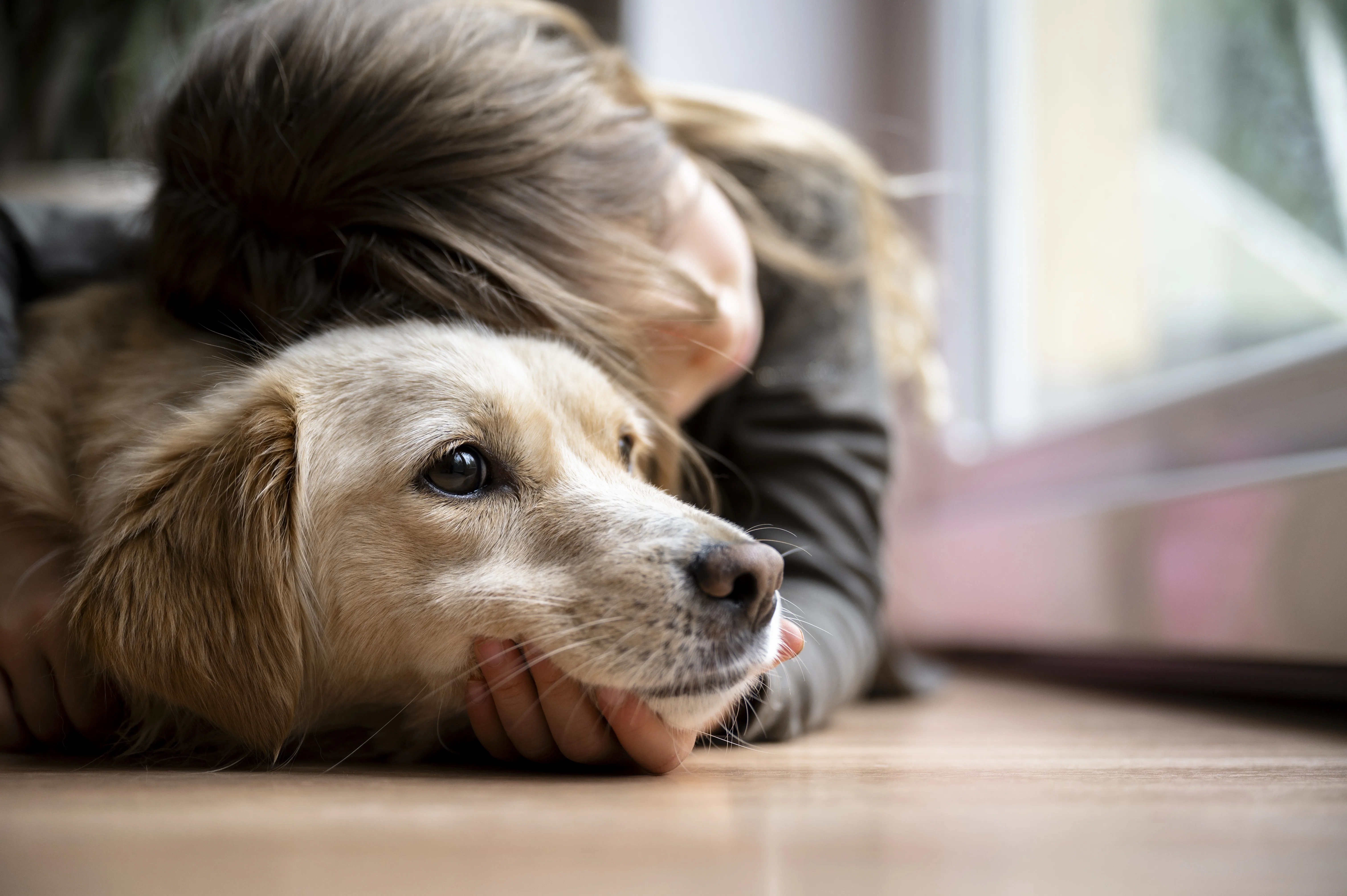
Simple Steps to Ease the Emotional Load
You can take practical, comforting steps to lighten the emotional weight before and during your trip:
- Select a care setup that fits your dog: Match your dog's personality to their environment. A shy or older dog may thrive best at home with a gentle house sitter, while a high-energy dog might enjoy the social environment of a vetted doggy hotel or a familiar friend's home.
- Keep departures calm and simple: When it is time to leave, avoid long, dramatic goodbyes filled with high-pitched apologies or emotional hugs. Dogs pick up on your energy. A short, calm, and upbeat goodbye signals to your dog that everything is completely fine.
- Set clear update boundaries: Before you leave, ask your sitter for a specific, steady update schedule—such as one text photo every morning. Having a clear routine for updates stops you from constantly checking your phone while allowing you to enjoy your days with reassurance.
Rebranding the Distance for You and Your Dog
A powerful way to reduce vacation guilt is to change how you view the separation. Instead of viewing your trip as a period of abandonment, reframe it as a positive mini-vacation for your dog.
A stay with a trusted sitter or at a well-run facility offers them new smells, different walking routes, extra treats, and fresh social interactions.
It is also vital to remember that taking personal time makes you a better, more energized pet parent in the long run. Constantly sacrificing your own desires and travel goals can eventually lead to hidden burnout or resentment.
Returning from a well-deserved trip with recharged batteries allows you to give your dog even more patience, energy, and affection.
Final Thoughts
Feeling anxious about leaving your dog behind does not mean you are doing something wrong. Rather, it is a clear reflection of the deep, meaningful bond you share with your pet.
By choosing reliable care, keeping your departures quiet and cheerful, and shifting your mindset, you can give yourself permission to step away and enjoy your travels.
Trust that your dog is safe, well-cared for, and capable of adapting to a short break. Best of all, remember that the temporary separation will lead to a joyful, tail-wagging reunion the moment you walk back through your front door.
