
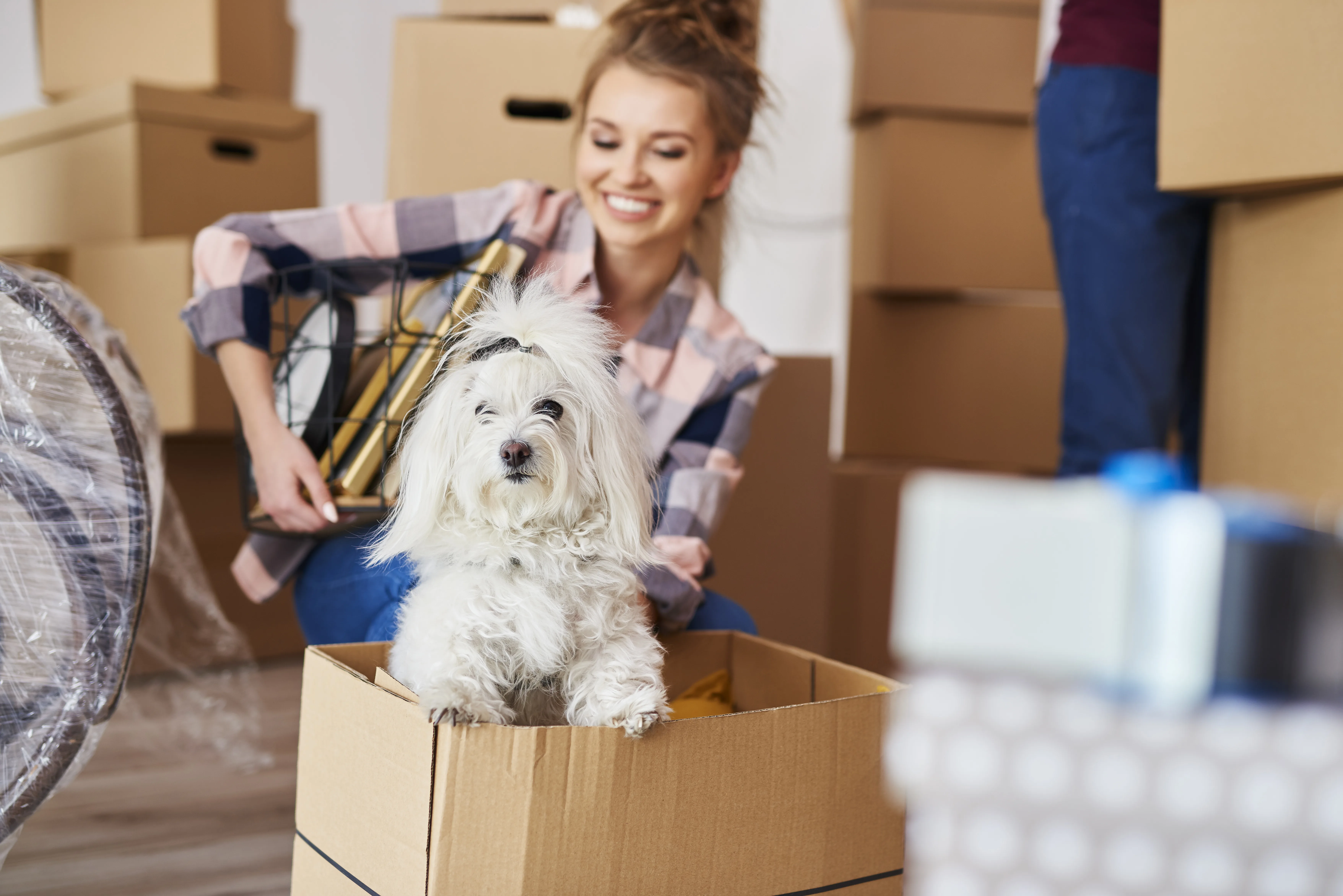
Your dog does not understand what relocating means. They only know their routine is changing, their favorite corner smells different, and their world feels uncertain.
However, moving to a new state with your dog can be smooth and stress-free. But only if you plan for their needs as carefully as your own.
Update Your Dog’s Records Before Moving
Start with paperwork before you pack a single box. Each state has its own rules for vaccinations and health certificates, and missing documents can delay travel or apartment approvals.
Rabies vaccination documentation is often required when transporting dogs across state lines. Missing proof can create unexpected issues during travel or when registering in your new city.
Schedule a vet visit two to four weeks before departure. Ask for medical records, refill prescriptions, and request a health certificate if needed.
Research Pet Laws and Housing Rules in Advance
Never assume pet laws are identical from state to state. Licensing timelines, leash laws, and even microchipping rules can differ.
Review local ordinances before relocating with your dog. A few minutes of research now can save you from fines or last-minute paperwork later.
Before signing a lease or closing on a home, confirm:
- Pet deposits and monthly pet fees
- Breed or weight restrictions
- Access to nearby parks or walking areas
Clear expectations prevent stressful housing surprises.
Create a Travel Plan That Minimizes Stress
Long drives and flights can overwhelm even well-adjusted dogs. Build a travel plan that prioritizes comfort, routine, and safety.
It is best to acclimatize dogs to travel crates well in advance. Short, positive practice sessions help reduce anxiety on moving day.
Pack a dedicated dog bag with food, water, medication, waste bags, and a favorite blanket. Familiar smells and consistent feeding times help maintain a sense of normalcy.
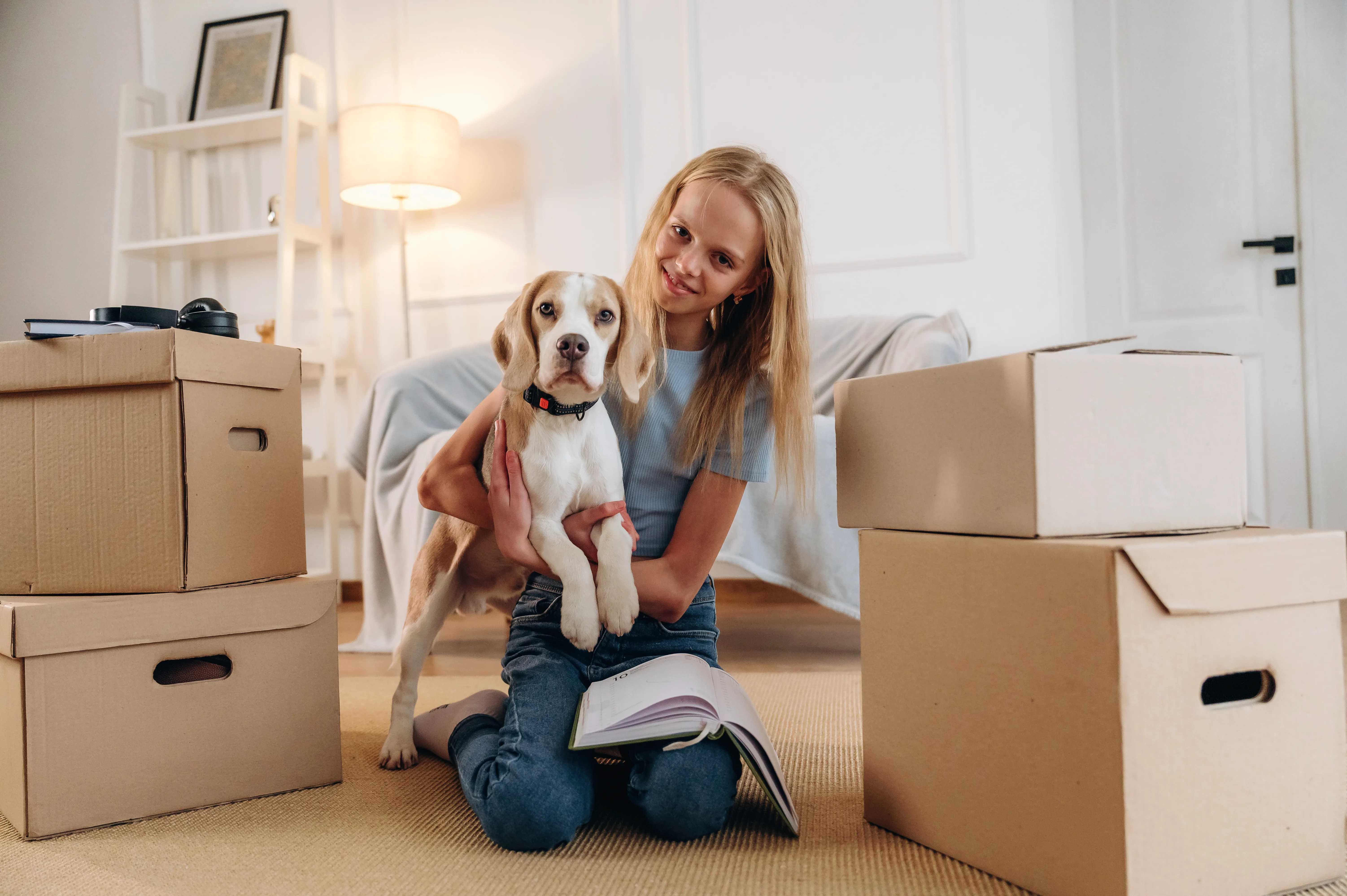
And if your relocation involves multiple vehicles, the logistics can quickly become overwhelming.
Driving long distances in separate cars can lead to fatigue, delayed arrivals, and added stress—especially when you are also trying to keep your dog calm and comfortable during the journey.
To reduce travel strain and simplify the process, many families choose professional out of state vehicle transport services so they can focus on a smoother, pet-friendly move.
Maintain Routine During the First Week After Arrival
New homes feel overwhelming for dogs because nothing smells familiar. Structure and predictability help your dog regain confidence quickly.
Feed meals at the same times as before the move. And keep walking schedules steady, even if the scenery has changed.
Also, limit access to one or two rooms during the first few days. Gradually expand their space once they appear relaxed and curious.
Dog-Proof Your New Home Before Unpacking Everything
Unfamiliar layouts can hide small risks. Loose cords, unsecured gates, and balcony gaps may not be obvious at first glance.
Walk through the property at your dog’s eye level. Secure trash cans, inspect fencing carefully, and update ID tags with your new phone number. Also, locate the nearest emergency veterinary clinic within your first week.
Preparation creates peace of mind in a brand-new environment.
Make Moving to a New State with Your Dog Feel Manageable
Moving to a new state with your dog becomes far less stressful when you plan ahead, protect routine, and simplify logistics. Small, thoughtful steps make a big impact on your dog’s comfort and behavior.
Has this post been helpful? If so, take a look at our other informative articles!
