
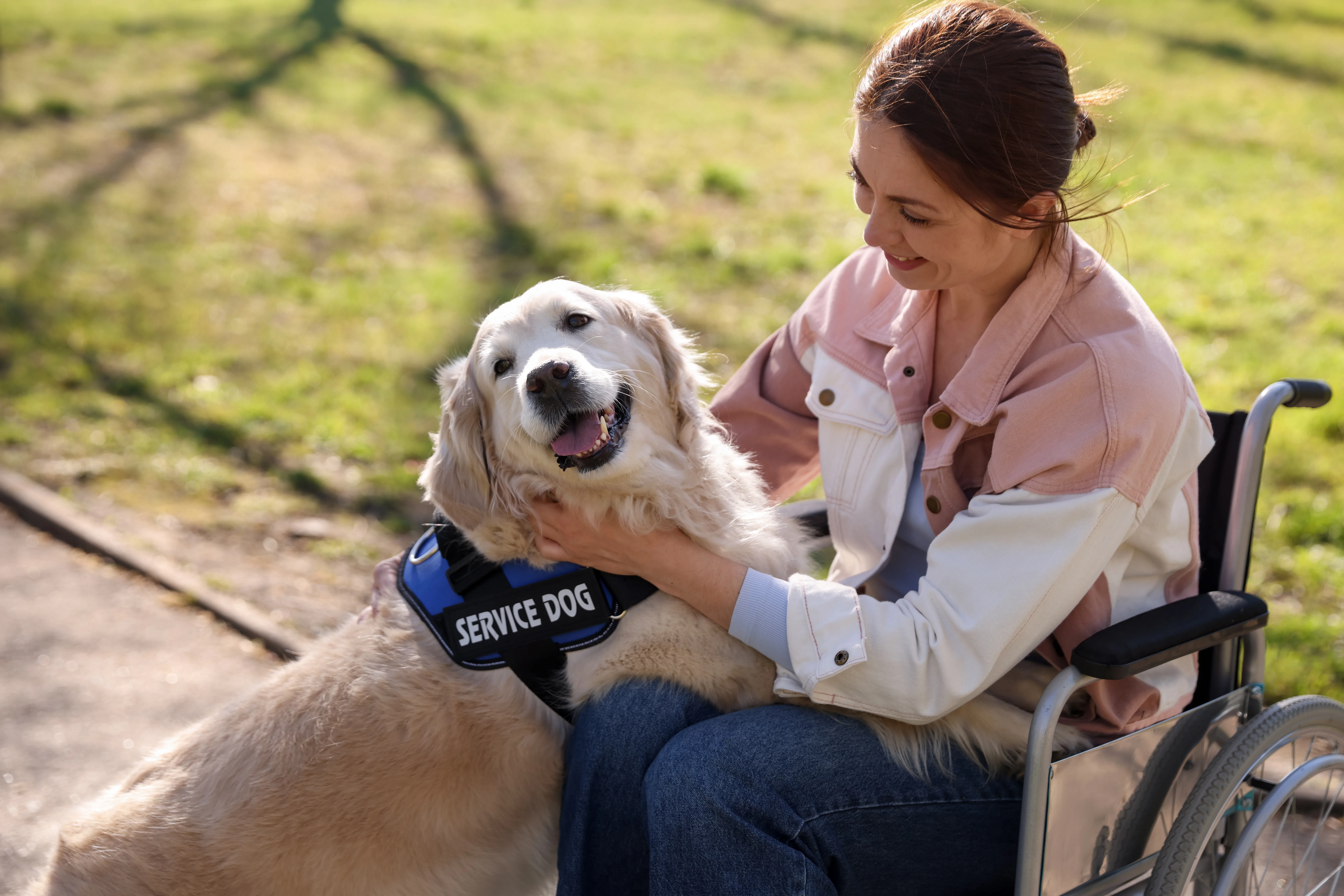
Pets bring joy, comfort, and unconditional love into our lives — but what happens when the animal meant to bring us peace is struggling with anxiety of their own?
It's a question more pet owners are asking, and the answer is more nuanced than most people expect. The good news is that an anxious pet is not disqualified from serving as an Emotional Support Animal (ESA).
In fact, understanding your pet's anxiety — and knowing how to address it — can deepen the bond between you and make your animal an even more meaningful source of emotional support.
Whether your dog cowers during thunderstorms, your cat hides for days after a move, or your rabbit thumps anxiously at the slightest sound, this guide will walk you through what anxiety in pets really looks like, how it intersects with ESA status, and what you can do to help your companion feel safe, calm, and cared for.
Understanding Anxiety in Pets: More Common Than You Think
Animal anxiety is far more widespread than many owners realize. Dogs, cats, rabbits, birds, and even some small mammals can develop anxiety disorders that affect their behavior, health, and quality of life.
The triggers vary widely — separation from their owner, unfamiliar environments, loud noises, past trauma, or even changes in the household routine can all set off anxious responses.
Common signs of anxiety in dogs include excessive barking or whining, destructive behavior, panting, pacing, trembling, and accidents indoors — even in house-trained pets.
Cats may exhibit over-grooming, hiding, refusing to eat, or aggression. Birds may feather-pluck, and smaller animals may become unusually still or attempt to escape their enclosures.
What many owners don't immediately recognize is that anxiety isn't a character flaw or a training failure. It's a legitimate emotional and physiological response — one that deserves attention, compassion, and the right kind of support.
Can an Anxious Pet Still Qualify as an ESA?
Absolutely — and this is one of the most important points to understand. An Emotional Support Animal is not required to be perfectly calm, highly trained, or a specific breed.
The ESA designation is not about the pet's behavior; it's about the therapeutic benefit the animal provides to its owner.
ESAs are recognized under the Fair Housing Act (FHA), which means that individuals with an ESA letter from a licensed mental health professional can keep their animal in housing that would otherwise not allow pets — even if the animal has anxiety.
What matters legally and clinically is the relationship between the owner and the pet, and whether that relationship supports the owner's mental or emotional health.
That said, if your pet's anxiety is severe or disruptive, it's worth addressing — not because it disqualifies them from ESA status, but because a calmer, healthier pet will naturally be a more effective source of support for you.
If you believe your pet provides meaningful emotional support and you'd like to formalize that relationship, the first step is to get an ESA letter from a licensed mental health professional.
This letter confirms that you have a qualifying emotional or psychological condition and that your animal plays a role in your treatment or well-being.
It's a straightforward process that can make a significant practical difference in housing situations and travel arrangements.
The Unique Dynamic: When Both Owner and Pet Are Anxious
One of the more fascinating aspects of the human-animal bond is how deeply our emotional states influence each other. Research has shown that pets — especially dogs — are remarkably attuned to their owners' stress levels.
Cortisol, the stress hormone, has even been found to synchronize between dogs and their owners over time.
This means that if you struggle with anxiety, depression, or PTSD, your pet may be picking up on your emotional state and mirroring it. The relationship isn't one-directional.
Your presence calms your pet; your pet's presence calms you. When anxiety exists in both, the work of healing happens together.
This co-regulation is actually one reason anxious pets can make such powerful ESAs. They are sensitive, emotionally intelligent, and deeply tuned in to human feeling.
With the right support — for both of you — that sensitivity becomes a strength rather than a source of distress.
Practical Calming Strategies for Anxious Pets
Managing pet anxiety doesn't always require medication. There is a wide range of behavioral, environmental, and product-based interventions that can make a genuine difference.
Routine and predictability are among the most powerful tools available. Anxious animals thrive when they know what to expect — regular feeding times, consistent walk schedules, and familiar sleeping spots all send signals of safety to a nervous system that is otherwise on high alert.
Environmental enrichment also plays a major role. Puzzle feeders, chew toys, window perches for cats, and regular mental stimulation can redirect anxious energy into healthy activity.
For dogs in particular, physical exercise is one of the most effective natural anxiolytics available.
For owners looking for additional support beyond routine and enrichment, wearable calming tools have gained considerable traction in recent years. A calming dog collar for every breed can offer continuous, low-level support throughout the day.
These collars typically work through one of two mechanisms: pheromone diffusion, which mimics the calming pheromones a mother dog produces, or gentle pressure, similar in principle to a weighted blanket.
Neither approach is a cure-all, but as part of a broader calming strategy, they can meaningfully reduce baseline anxiety in many dogs.
Other options worth exploring include calming wraps and anxiety vests, white noise machines, species-specific pheromone diffusers for indoor spaces, and behavioral desensitization — a gradual process of helping your pet become comfortable with their specific triggers through careful, controlled exposure.
When to Seek Professional Help
Home strategies and calming tools are a great starting point, but there are situations where professional guidance is essential. If your pet's anxiety is severe — causing them to stop eating, injure themselves, or become dangerously aggressive — it's time to involve a qualified veterinary professional.
A veterinarian can rule out underlying medical conditions that might be contributing to anxious behavior. Thyroid disorders, chronic pain, neurological issues, and hormonal imbalances can all manifest as anxiety-like symptoms.
Once medical causes are ruled out, your vet may refer you to a veterinary behaviorist or recommend a short-term course of anti-anxiety medication to help break the cycle of fear.
Finding the right professional support is easier than it used to be.
If you've been putting it off, searching for a trusted professional with Vet Near Me terms through online directories or your local animal hospital can connect you with a vet who can assess your pet's needs in person and create a tailored care plan.
Telehealth veterinary services have also expanded significantly, making it possible to get initial guidance from the comfort of your home.
Don't wait until anxiety becomes a crisis. Early intervention leads to better outcomes — for your pet, and for the quality of support they're able to provide you.
Building a Life Where Both You and Your Pet Can Thrive
The goal isn't perfection. It isn't a perfectly calm pet who never flinches at fireworks or greets every stranger with a wagging tail.
The goal is a pet who feels safe enough, loved enough, and supported enough to be present with you — and a relationship where that presence genuinely helps you navigate your own emotional landscape.
Anxious pets can and do serve as profoundly meaningful Emotional Support Animals. Their sensitivity, their attunement, their willingness to stay close during difficult moments — these aren't limitations.
They are exactly the qualities that make the human-animal bond so powerful.
By understanding your pet's anxiety, taking proactive steps to address it, and formalizing the support they provide when appropriate, you're not just improving their quality of life.
You're building a partnership — one grounded in mutual care, mutual healing, and mutual resilience.
Final Thoughts
Anxiety in pets is real, it's common, and it's manageable. The fact that your animal struggles with nervousness or fear does not diminish their value as a companion or their eligibility as an Emotional Support Animal.
What matters is the bond you share, the comfort you find in each other, and your willingness to show up for them the way they show up for you.
With the right tools — whether that's a consistent routine, a calming collar, a conversation with your vet, or an ESA letter that protects your housing rights — both you and your pet can find steadier ground.
And that steadier ground, built together, is exactly what thriving looks like.
