

Separation anxiety is one of the biggest talking points between dog owners. Indeed, it’s also one of the biggest factors in dogs being given up for rescue – we know this first-hand through research by dogsblog.com.
So, what can you do if your dog is nervous and struggling with anxiety?
We asked Veterinary Nurse Siobhan Griffin to share her veterinary experiences and advice with us.

How to tell if your dog has separation anxiety
One of the most common questions we’re asked is ‘why does my dog have separation anxiety?’ and it’s understandable. As a dog owner, you want to understand what the root cause may be to try to find a solution.
But since every dog is their own personality and has their own experiences, the cause will vary from dog to dog, as Siobhan told us.
Some of the most common reasons can be a change in their routine, either the dog’s or the owner’s, or it could be a lack of socialisation or stem from trauma or a bad experience.
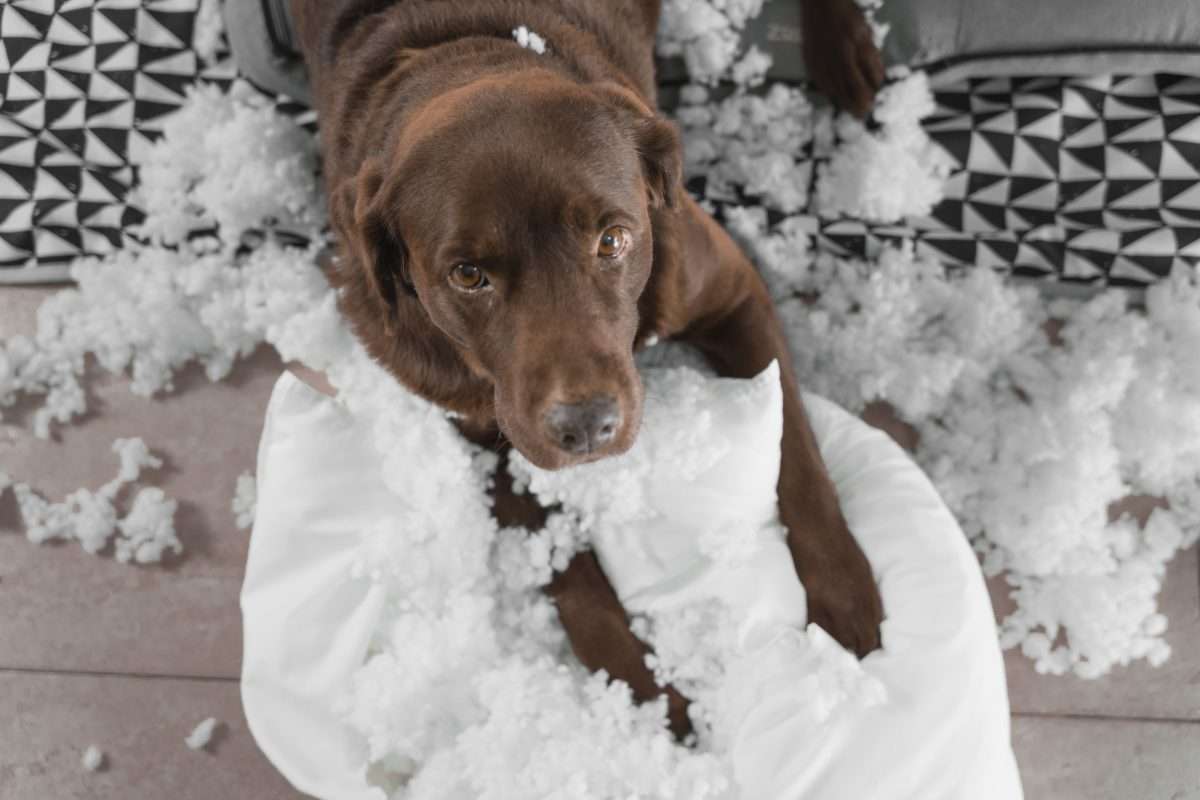
Signs dogs may exhibit will also vary but some of the most common behaviours she has seen include:
1. Destruction in the house when left alone – from small items such as toys or shoes to walls or even your sofa!
2. Neighbours may complain (or you may hear after you leave/before you get inside after you arrive home) that while you’ve been away from home your dog has been noisy, barking or howling.
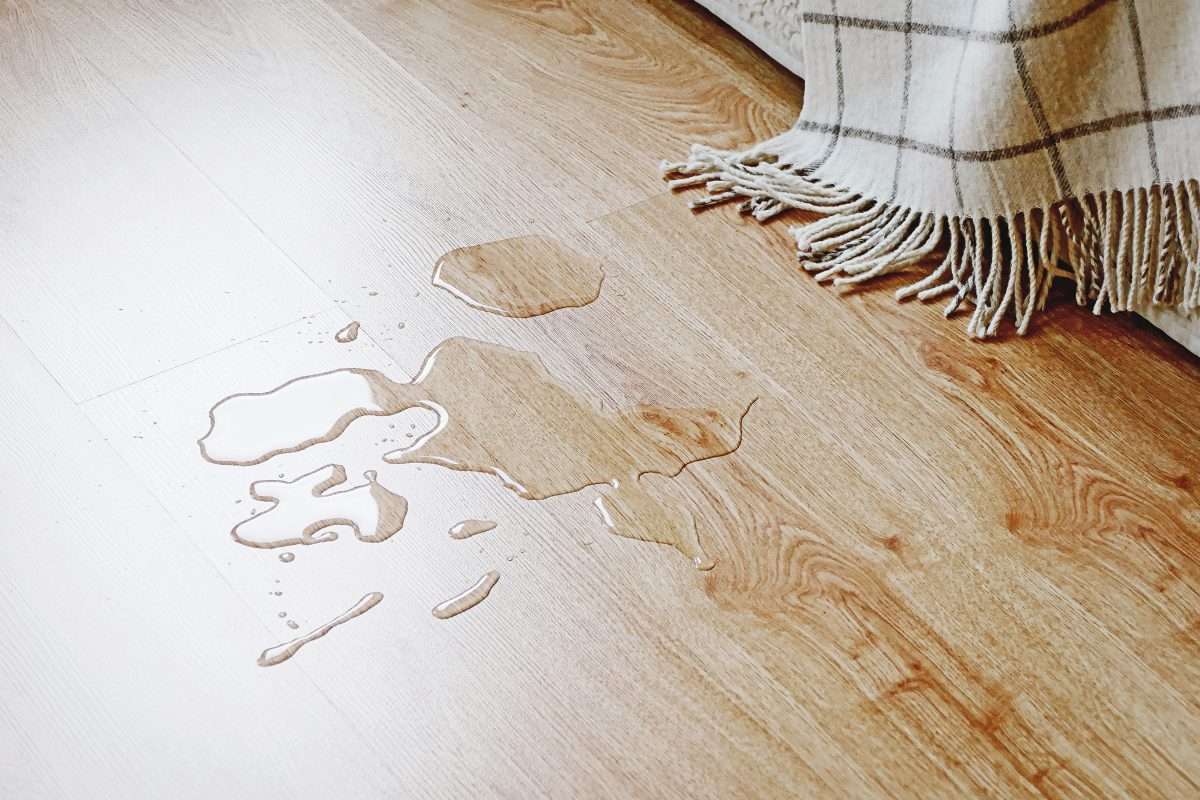
3. It’s not uncommon for dogs to begin to toilet inside the home.
4. Your dog might also become unsettled, pacing and even panting - and these may start as you prepare to leave the house because your dog has realised what’s about to happen.
Why it’s important to recognise the signs before you can begin to help your dog
Recognising the problem is the first step to helping your dog to find peace and try to ease their anxiety. Siobhan tells us that she believes more dogs experience separation anxiety than show signs.
She says, “I think many dogs suffer from separation anxiety, but if they are not displaying the more problematic symptoms (like destructive behaviours) then they suffer in silence, undetected by their owners that they are actually unhappy.”
6 simple steps to try to help your dog cope with separation anxiety
Here are Siobhan’s top tips for helping dogs to navigate their anxiety.
1. Make sure your dog receives adequate exercise
Particularly if you have a high-energy breed of dog, but regardless of breed, make sure your dog gets enough exercise. This will make sure they don’t have pent-up energy.
2. Keep them entertained and stimulated while you’re out
Interactive games and activities can be great ways to do this. A frozen stuffed Kong works well for my dog!

There are so many different types of puzzles and toys designed for dogs nowadays, from the Kong wobbler to Aikou, that are great, particularly for food-orientated dogs.
3. Make a happy, den-like space for your dog
This has proven itself to work well for lots of dogs so is worth the time and effort creating. The most important things to consider when building your dog a zen den is to ensure it is comfortable and they have space to move around.
Play some gentle music, some reports say classical is the most calming. Putting on an old jumper or dressing gown that smells of you can provide comfort for your dog when you are out.
Using pheromones (available in collars/plugins and sprays) can also help to calm anxious dogs.

4. Supplements can be a great addition
Being able to calm your dog down will enable them to learn and be more receptive to training and desensitisation techniques.
Supplements work by supporting the natural calming pathways in the brain, making it an effective way to help reduce stress and support dogs to become happier and more playful.
Natural ingredients work in the brain to make your dog feel more relaxed, soothing stress caused by a number of triggers from separation anxiety to noise phobias. It may also support the production of dopamine and serotonin, increasing happiness for a real ‘feel good’ effect.
5. Never punish your dog for their actions
If they have chewed or destroyed something while you are out, punishing them when you first see the damage will not only teach them how to behave but can potentially make the behaviour worse!

6. The most important long-term solution is… desensitisation
Through desensitisation, you can permanently change your dog’s feelings about being left alone. The Blue Cross has a good basic guide to this, or you can seek professional one-on-one advice from a clinical animal behaviourist.
