
Editor’s Note
The following introduction from our new contributor, Kay Clarke, offers a raw and unvarnished look at growing up neurodivergent in an era before "neurodiversity" was a household term.
It is a harsh reality. Kay describes a time when she had to rely on people like teachers, peers, and family, who often lacked the tools to understand her, resulting in isolation and bullying.
While Kay eventually found her sanctuary in the world of dogs, this chapter explores the "human years", the struggle to survive in a world that felt alien. If you or someone you know is struggling with similar experiences, please know you are not alone.
Support Resources:
* UK: National Autistic Society | Mind InfoLine | Samaritans: Call 116 123
* USA: Autistic Self Advocacy Network (ASAN) | CHADD (ADHD Support) | Crisis Lifeline: Call/Text 988
Kay Clarke
I am incredibly excited to be writing this as a regular contributor for K9 Magazine. For those who read my first article, you know that animals eventually became my life, my career, and my salvation. But that isn't where the story starts.
Before I found my place in the pack, I had to try to find my place among people. Looking back, my "early years" were defined by a passing exposure to animals—a comforting cat here, a holiday horse there—but ultimately, I was left to rely on humans.
I had to navigate a confusing social world without a map, depending on teachers and peers who didn't understand me.
This is what it was like before the dogs saved me.
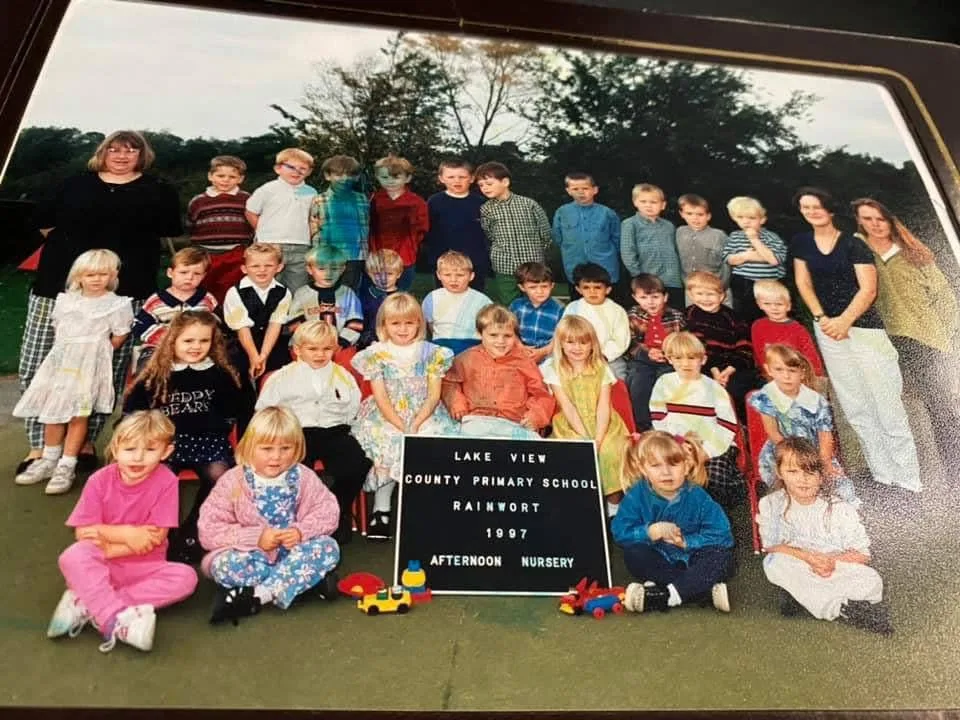
The Alien in the Nursery
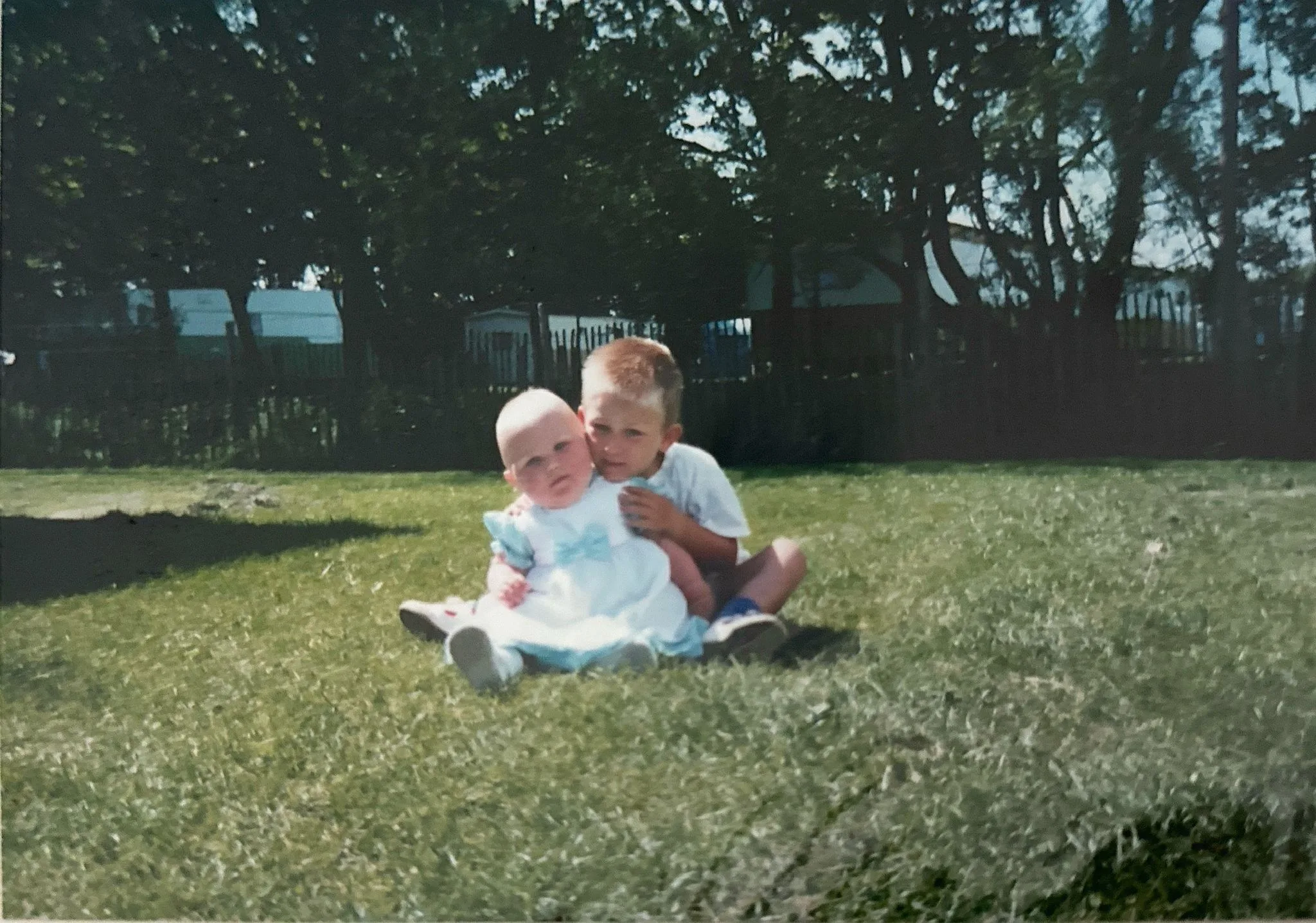
I first noticed I was different when I was very young, back in nursery school. I would question my own identity, repeating to myself, "I am me, I am Kay," trying to ground myself in a reality that felt slippery.
If I had an altercation with other kids, the internal monologue was instant: "What is wrong with me? Why does nobody like me? What have I done?"
I became a student of human behavior. I would watch other children interact, studying them like a science experiment. I’d take in their positive interactions and try to copy that behavior in an attempt to make friends.
I never understood how it came so easily to them—knowing how to join in group activities, how to talk to teachers, how to simply be without feeling awkward or out of place.
I didn't fit the mold of a "girl" either. I had no interest in Barbies or Bratz dolls. I was what you would call a tomboy; I preferred the outdoors—camping, bike riding, getting dirty.
Being closed inside someone else’s house for a playdate made me anxious, restless, and bored.
Survival Strategies
Because I was different, I became a target. I took up Judo as a child, but it wasn’t a hobby—it was a survival strategy. It was my secret weapon to defend myself against my brother and his friends.
It became a game for them to "psyche me out" just to see the reaction. Because I could fight back, I earned the lovely nickname "Man Beast."
But physical strength couldn't protect me from everything.
I remember a specific day in nursery. I had a water infection and asked a dinner lady to use the toilet during lunch break. She said no, telling me the bell would ring soon.
I went back to playing, but when the bell finally rang, and I stood waiting in line, I lost control. I wet myself in front of everyone.
Whatever confidence I had evaporated in that moment. The bullying intensified. Friends abandoned me. My brother found out, which meant his friends found out, and the nicknames got worse.
I developed severe anxiety about traveling anywhere without a toilet nearby. It became a vicious cycle that annoyed my parents, but to me, it was terror.
The Invisible Child
School became a gauntlet. In primary school, boys would kick the back of my chair, push me into tables, or trip me in the hallways.
I remember being pulled out of class to talk to a counselor. I told her, "Nobody would care if I just disappeared." She gave the standard adult response: "Of course they would! Your mum, dad, siblings..."
I replied, "Yeah, they obviously would because it’s expected. But anyone else wouldn't."
I tried to force myself to fit in. I would go to friends' houses after school, not because I wanted to, but because my brain told me it was a requirement to keep the "friendship puzzle piece" in place. But the masking was exhausting.
When I got home, the overwhelm would crash over me. My mum would ask, "Why do you go to Megan’s house? Every time you do, you come back in a foul mood." She didn't understand that I was just trying to survive the social game.
Sensory Overload and “The Beacon”
The world was too loud and too bright. My Nanna would force us to go to the pantomime every year. I hated it—worse than the cinema. The shouting, the audience participation, the noise.
When the crowd screamed, "It's behind you!" I was just confused. Of course, it's behind you. My Nanna would elbow me, telling me to stop being "mardy," not realizing I was in physical pain from the sensory overload.
I built an internal alarm system. If I felt myself getting angry, emotional, or annoyed, I would shove it down. Reacting was dangerous; bullies loved a reaction.
By Year 7, my strategy shifted from fighting back to trying to be invisible. But invisibility doesn't work. Bullies have a "beacon"—they know exactly who is neurodivergent, even if we don't know it ourselves.
My reality became physical. I was slammed into walls and windows. I had food, pens, and spitballs thrown at me. In winter, I was a walking target for snowballs.
While kids today often have safe spaces, my "safe space" was hiding in classrooms during lunch, doing favors for teachers just so I didn't have to go outside.
I used to hope the teachers would understand—via telepathic communication—that I needed to stay there, even though I wasn't on the list of students allowed inside. I was just looking for a port in the storm.
Next Time: The Turning Point
I spent my early years relying on people who couldn't help me, and masking who I was to survive. But in the background, there were glimmers of something else.
A cat named Misty lay on my chest when I cried. A difficult horse named Manny, who let only me hug him.
In the next column, I will share how I moved from the "human years" into the "animal years." We will look at my teenage years, where I stopped looking for acceptance from people and found my true calling in the company of animals.
