
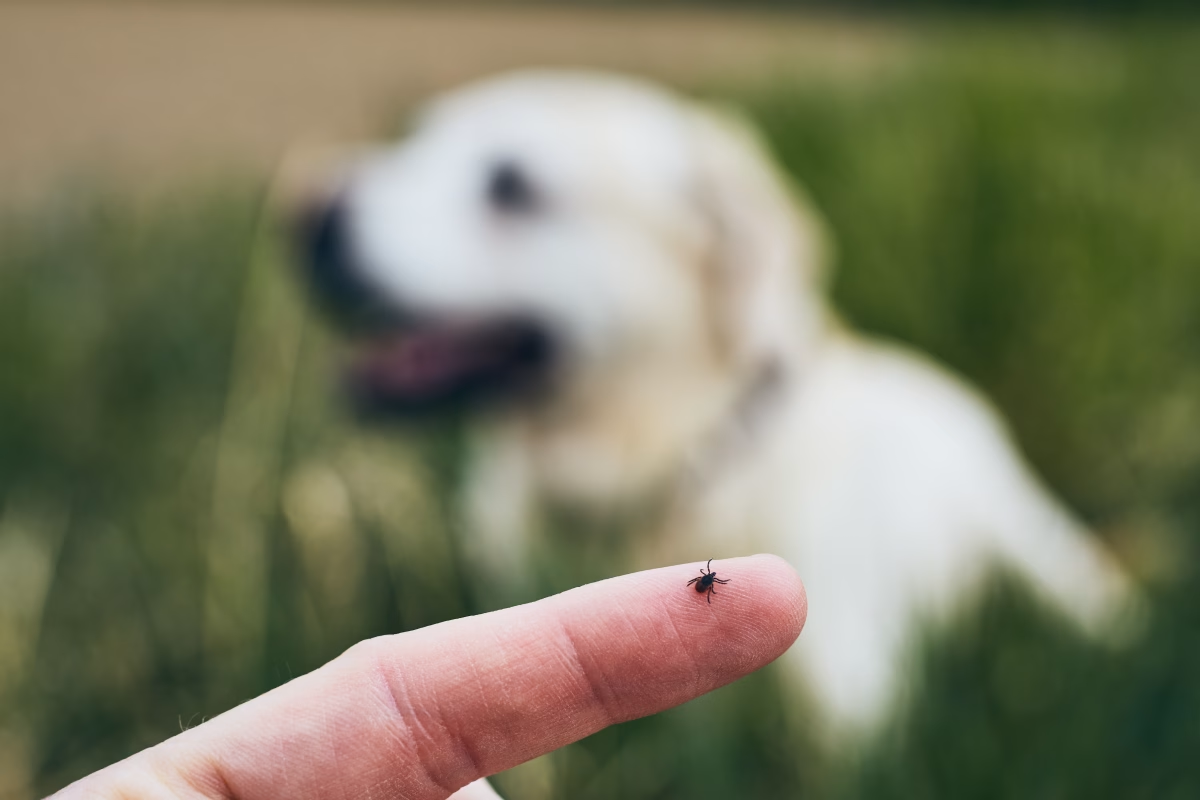
Understanding and mitigating the risks posed by fleas and ticks is essential for dog owners. These parasites are not just a source of discomfort for pets; they can also lead to serious health issues.
Being well-informed about the threats they pose and taking proactive steps to prevent infestations is crucial in safeguarding the health and well-being of your canine companions.
Understanding the Threat
Fleas
Fleas are small, flightless insects that survive by consuming the blood of their hosts. They are capable of jumping long distances and are known for their persistent biting, which can cause severe discomfort for dogs.
Beyond the immediate irritation, fleas can lead to more serious health problems. They can cause anemia, particularly in young puppies, due to blood loss from multiple flea bites.
Some dogs may develop an allergic reaction to flea saliva, known as flea allergy dermatitis, resulting in intense itching, hair loss, and skin infections. Fleas also act as vectors for tapeworms, which can further compromise a dog's health.
Ticks
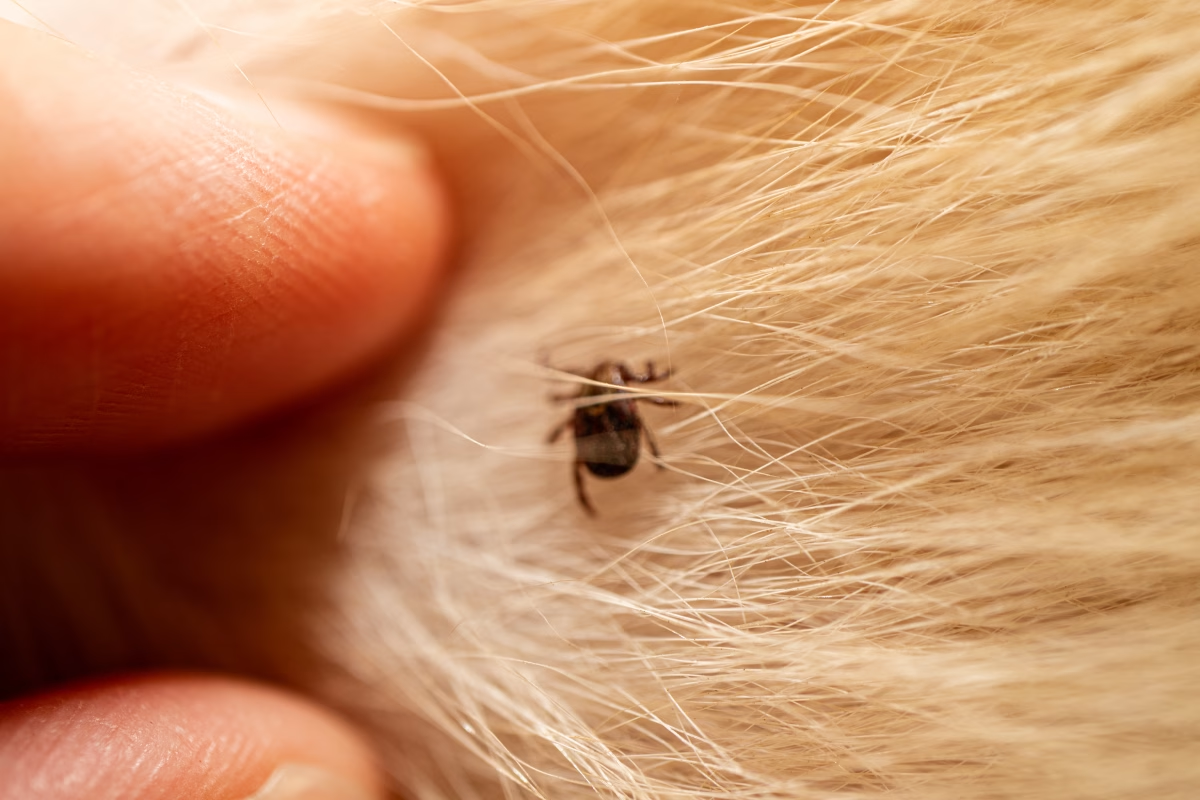
Ticks are parasitic arachnids that also feed on the blood of their hosts, including dogs. Unlike fleas, ticks attach themselves to a single spot on the host's body to feed for an extended period.
Ticks can transmit a range of diseases to dogs, the most well-known of which is Lyme disease. Other diseases spread by ticks include ehrlichiosis, anaplasmosis, and babesiosis.
These diseases can lead to symptoms ranging from fever and lethargy to more severe conditions such as joint pain, neurological problems, and, in some cases, death.
The risks associated with ticks extend throughout the year, as some species are active even during the colder months.
The Growing Concern
Recent data indicate an increase in the prevalence of tick-borne diseases like babesiosis in parts of the U.S. This highlights a growing concern for pet owners, as these diseases can have serious, life-threatening implications.
The spread of diseases like Lyme disease continues to be a significant threat, with reported cases increasing in number and spreading into new areas.
This situation underscores the importance of vigilant flea and tick prevention measures to protect pets from these parasites and the diseases they carry.
The Companion Animal Parasite Council's findings further emphasize the need for ongoing vigilance, noting the year-round activity of ticks and the widespread presence of fleas in various environments.
Preventive Measures
Taking proactive steps to prevent flea and tick infestations is crucial for the health and comfort of your pet. Here's how you can keep these pests at bay:
Regular Checks
- Conduct regular checks for fleas and ticks on your pet, especially after they've been outdoors. Focus on areas like the head, neck, ears, and feet.
- Using a fine-tooth comb can help catch fleas or their droppings in your pet's fur.
Use of Preventive Medications
- A variety of preventive medications are available, including oral pills, chewables, topical treatments, and collars. These products can repel or kill fleas and ticks on contact.
- Consult with your veterinarian to choose the safest and most effective product based on your dog’s specific needs, such as age, breed, health status, and local prevalence of fleas and ticks.
Maintaining a Clean Environment
- Keep your home environment clean by regularly washing pet bedding and vacuuming floors, furniture, and any areas where your pet spends a lot of time.
- In your yard, mow the lawn regularly and remove tall weeds to minimize tick habitats.
Treatment Options
When it comes to treating flea and tick infestations, there are several effective options:
- Topical Treatments and Oral Medications: These are among the most common methods for controlling fleas and ticks and can include shampoos, sprays, powders, pills, and chewables.
- Flea Collars: Some flea and tick collars can offer long-term protection against pests by releasing a substance that spreads across your pet's skin.
It's crucial to consult with a veterinarian to determine the most appropriate treatment plan for your pet, ensuring it's safe and effective for their specific situation.
The Role of Professional Pest Control
Professional pest control services play a vital role in managing the environment to reduce the risk of flea and tick infestations.
These experts can treat your home and yard with products that eliminate fleas and ticks at all stages of their life cycle.
- Comprehensive Approach: Professional services can offer a comprehensive approach to pest control, targeting not just the adult fleas or ticks but also their eggs and larvae.
- Safety: They can also advise on safe practices to ensure that the treatments do not harm your pets, family, or the environment.
Finding top-rated pest control companies near you can be a vital resource in your fight against flea and tick infestations.
Look for companies with good reviews and ask about their experience with pet-safe treatments to ensure the best care for your home and furry friends.
Staying Vigilant
Ensuring the health and happiness of your pet in the face of flea and tick threats requires ongoing vigilance. Here are some key tips to help you stay on top of potential infestations:
Regular Pet Checks
- Conduct daily inspections of your pet’s skin, especially after they’ve been outdoors. Pay special attention to areas that fleas and ticks favor, such as the ears, neck, and underbelly.
- Use a flea comb to detect the presence of fleas or ticks early on.
Recognizing Signs of Fleas or Ticks
- Look out for excessive scratching, biting, or licking as signs of flea infestations.
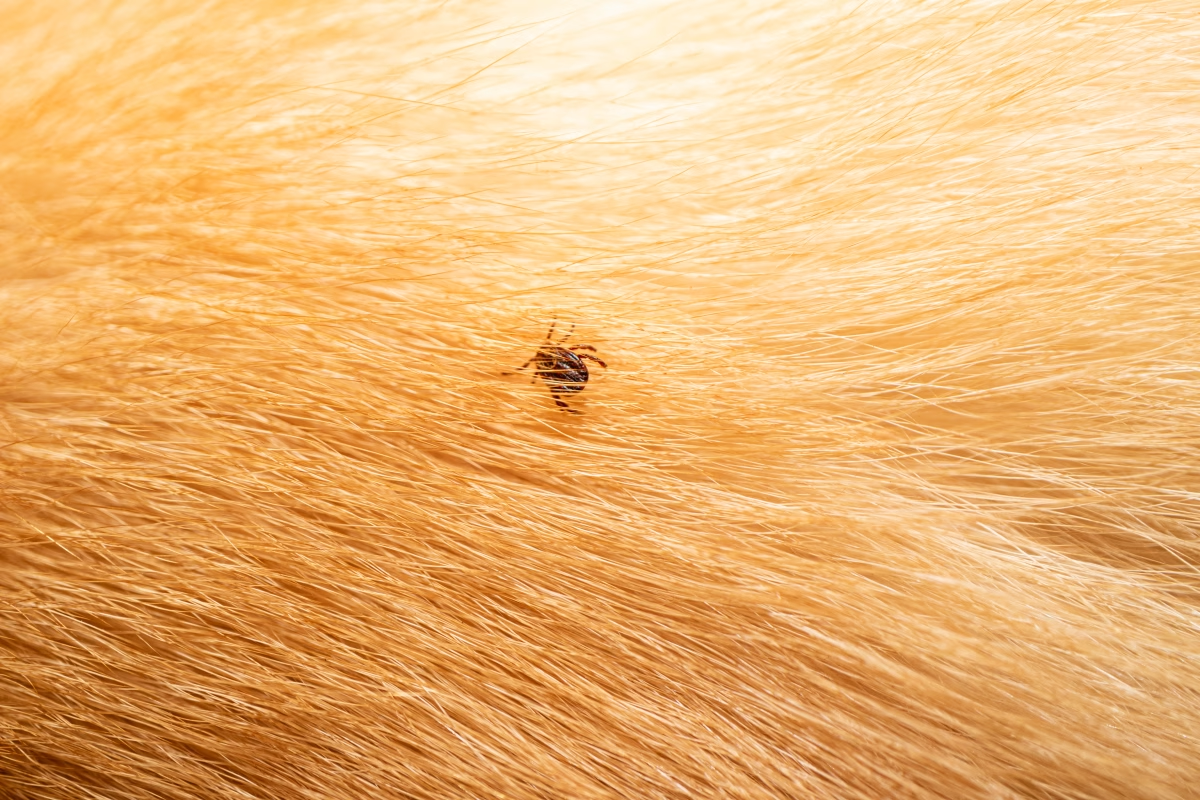
- For ticks, check for small bumps on the skin. Remember, ticks can swell to the size of a pea after feeding, making them easier to spot.
Importance of Immediate Action
Promptly remove any ticks found on your pet. Use fine-tipped tweezers to gently pull the tick straight out, avoiding twisting or crushing the tick.
Consult your veterinarian immediately if you suspect your pet has fleas or ticks, even if you’ve already applied a preventive treatment. They can offer advice on additional treatments or steps to take.

Photo by Ben Michel on Unsplash
Takeaway
Fleas and ticks pose significant health risks to pets, capable of transmitting diseases and causing discomfort. Understanding these risks is the first step in safeguarding your furry companions.
By taking preventive measures, such as using veterinarian-recommended treatments and maintaining a clean environment, you can reduce the likelihood of infestations. However, vigilance is key.
Regular checks and knowing the signs of fleas and ticks can help you catch and address problems early on. Immediate action can prevent disease and discomfort, ensuring your pet remains happy and healthy.
