
In a world where innovation knows no bounds, there are leaders who forge paths to redefine industries. Meet Shannon Falconer, the mastermind behind BioCraft Pet Nutrition's revolutionary strides in biotechnology.
Her visionary leadership as CEO redefines pet nutrition, showcasing her as a true trailblazer in reshaping both science and our pets' well-being.
Let's hear from her.
As someone who spent six years of a Ph.D. researching antibiotic drug discovery, I am uniquely aware of just how overlooked antibiotic resistance in pets is. In reality, it is one of the biggest health threats of the 21st century.
And this is even more true when it comes to our pets.
Cats and dogs are increasingly prone to antibiotic resistance, or as it’s known in medicine, antimicrobial resistance (AMR), and veterinarians are worried. Antimicrobial-resistant infections in our pets, such as surgery sites or hot spots, are more complex and expensive to treat.

Vets and pet lovers grapple with diminishing treatment options for even common problems like urinary tract and skin infections.
Sharing our homes with our pets as we do, we’re liable to share germs too, so antimicrobial-resistant bacteria can spread from pet to person or person to pet.
Just like with human medicine, our overuse of prescription antibiotics is one culprit. And like humans, prolonged exposure to antibiotics in our diets is another.
Eighty percent of all antibiotics in the U.S. are sold to the animal agriculture industry.
While the conditions these animals are raised in might suggest bacterial infections are rampant, farmed animals are more likely to be dosed with antibiotics as a preventative and to enhance their growth rates, which enhances profits.
Even the UN World Health Organization advocates against these practices to reduce the spread of AMR.
These drugs (among others) end up in the foods we serve our pets.
Raw dog foods, including treats like pig’s ears and bully sticks, have been identified as a source of antimicrobial-resistant bacteria, but that’s not the only one.
Particularly troubling is the prevalence of strains that are “multi-drug-resistant” and resistant to the types of antibiotics often prescribed when all else fails.

While AMR is only one food safety concern in conventional pet food processing, it’s one that consumers will find hard to bypass. Antibiotic-free pet food, including “wild” protein sources such as venison, carries a premium price tag.
Labeling claims like Raised Without Antibiotics are not verified by the USDA, and there’s evidence that these claims can’t be trusted.
For those not ready to try plant-based pet foods, and for our furry little carnivores, one alternative is cell-cultured meat.
Once called “clean meat” by proponents, and “lab meat” by detractors, cultured meat is grown from animal cells that multiply in a nutrient-rich liquid medium inside the contaminant-free environment of a massive tank called a bioreactor.
Along with being a more humane and environmentally sustainable option, cultured meat radically reduces—if not eliminates—the chance of exposure to foodborne antimicrobial-resistant bacteria.
Since no antibiotics are used in the growth process, none remain in the finished product, either.

Compared to conventionally produced meat, cultured meat is significantly less likely to carry any pathogens such as Salmonella, E. coli, and other common fecal-borne bacteria that lead to costly pet food recalls.
It delivers the same essential nutrients without the risk of pharmaceuticals or added steroids.
Cultured meat companies are making progress every day in perfecting their technologies, scaling up their production, bringing their costs down, and securing approvals from regulatory agencies.
Pet food manufacturers will play a key role in reducing the prevalence of AMR in our cats and dogs by offering safer, cleaner cultured meat to consumers who care.
About the Author
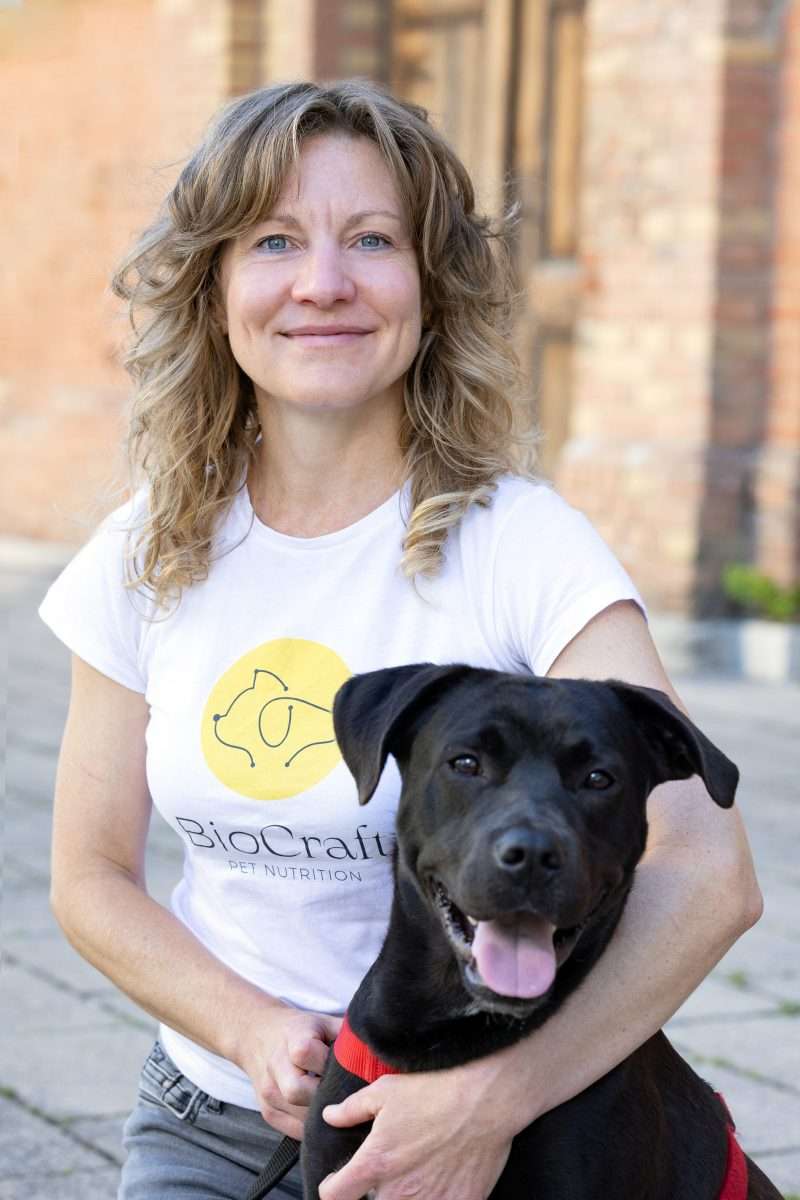
Shannon Falconer MSc, PhD
CEO of BioCraft Pet Nutrition
BioCraft Pet Nutrition is the first biotech company to develop cultured meat for the pet food market. Shannon holds a master’s degree in Biochemistry and a Ph.D. in Chemical Biology. She worked as a post-doctoral research fellow at Stanford University investigating the human microbiome and the interactions between bacterial communities, antibiotics, and eukaryotic host cells.
